USA Today bestselling author

Category: Aimee Easterling’s Inspiration (Page 3 of 5)

The power of pack

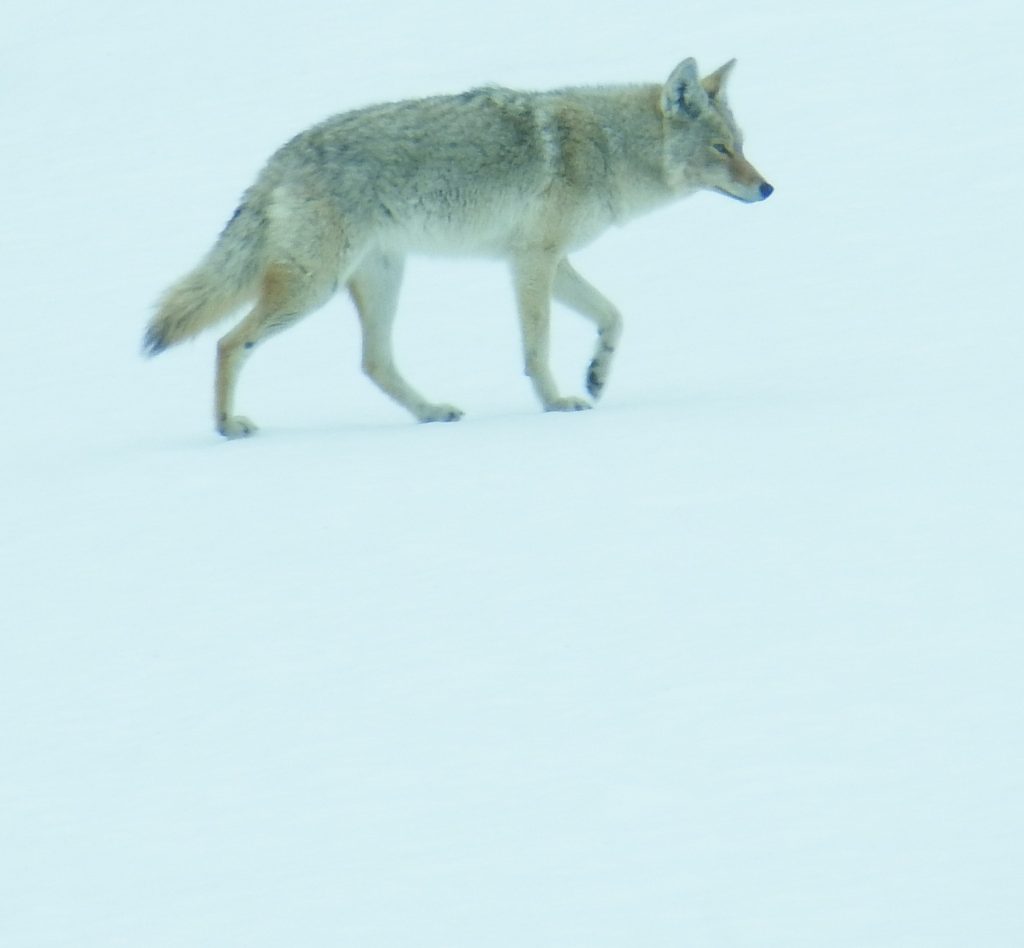
Coyote against white snow

A lone wolf, a wolf family, three coyotes, and a grizzly bear taught me an important lesson on the power of pack last week. Perhaps you’d like to share in the excitement?
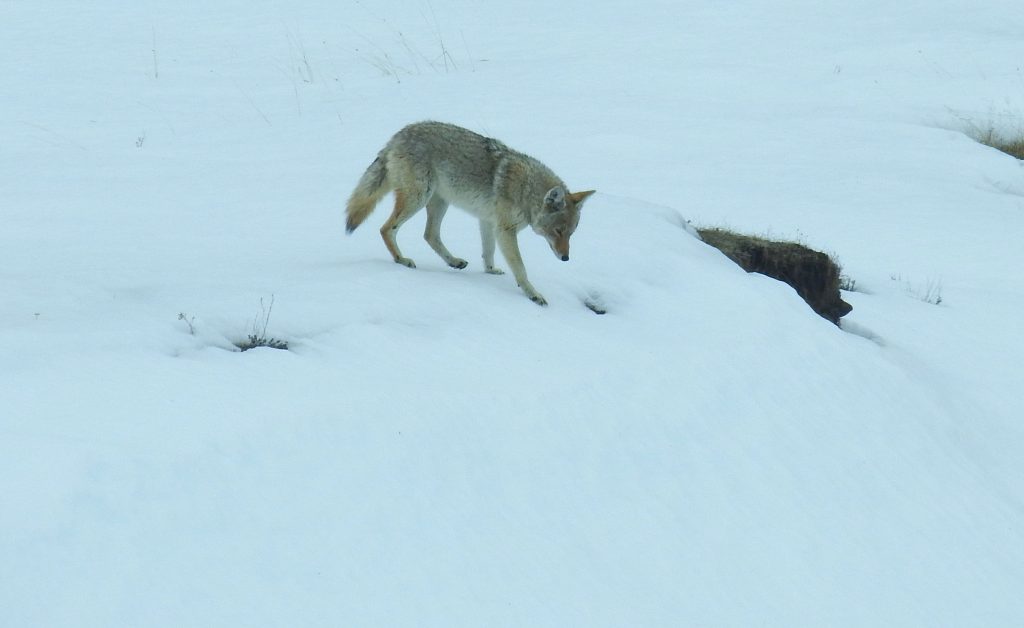
Coyote in the snow

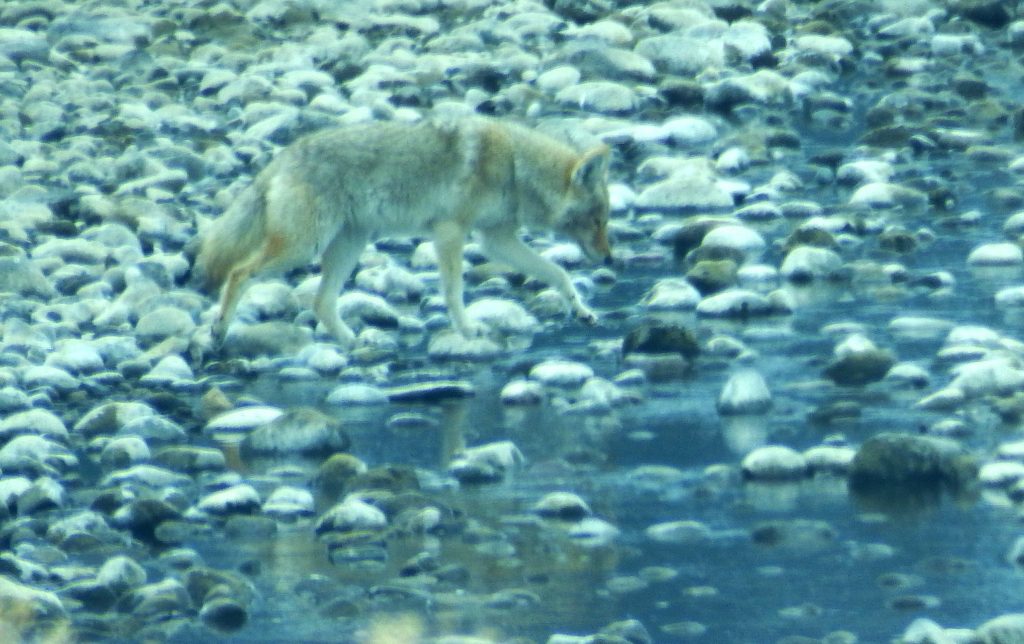
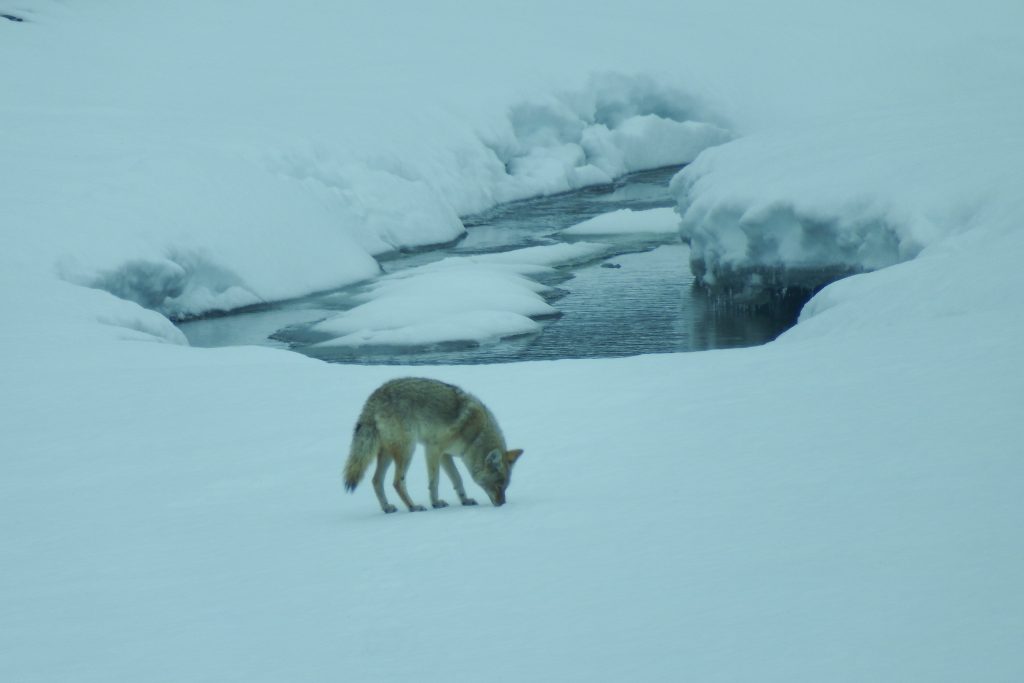
Before I continue, I should warn you that all of the closeup photos in this post are from a different place and time. I was so riveted by the action (and the characters were so far away) that I couldn’t take my eye off the scope long enough to pull out the camera. So, please consider the photos here more an imagination boost than anything else.
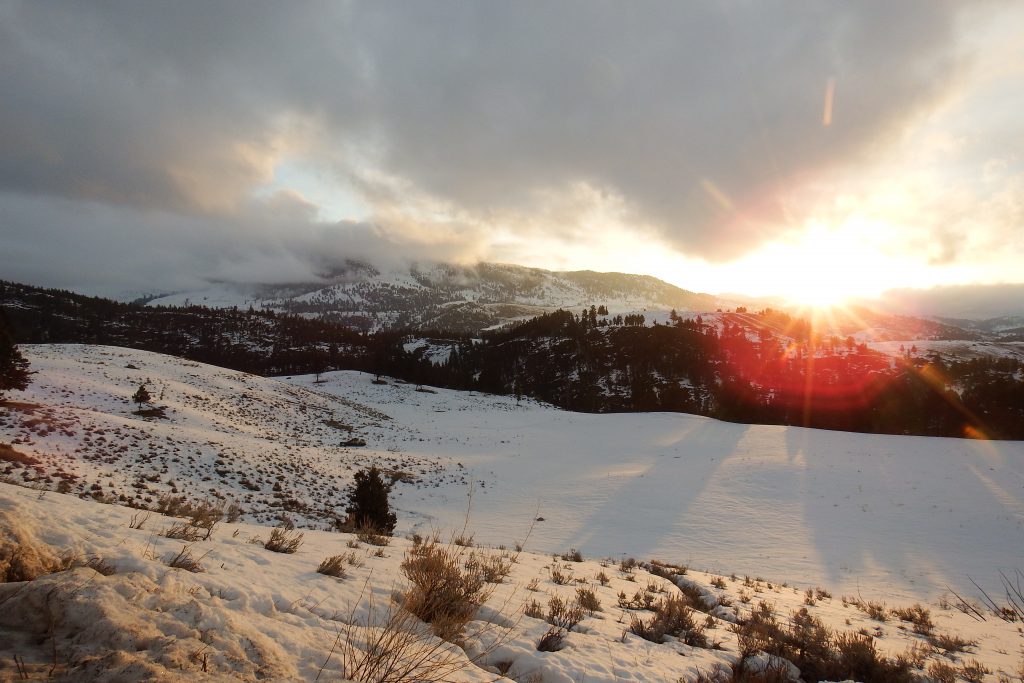
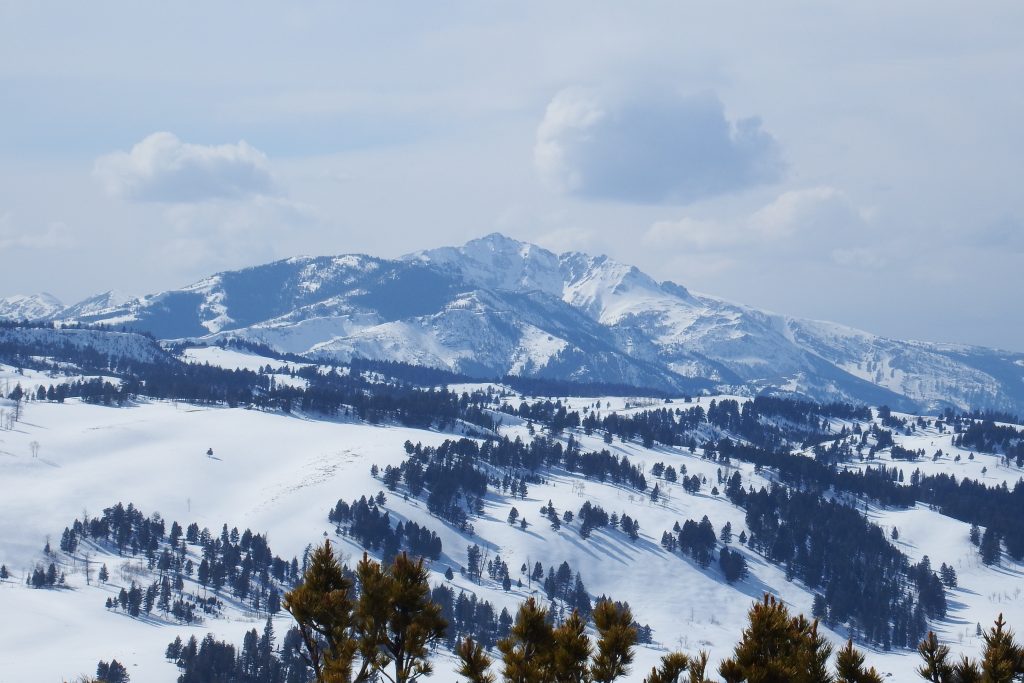
Winter dawn in Yellowstone

That caveat aside, my story starts at dawn in the North Range of Yellowstone. A bit to the right of the sun in the photo above, the Junction Butte pack was hanging out around a bull elk carcass that they’d taken during the night.
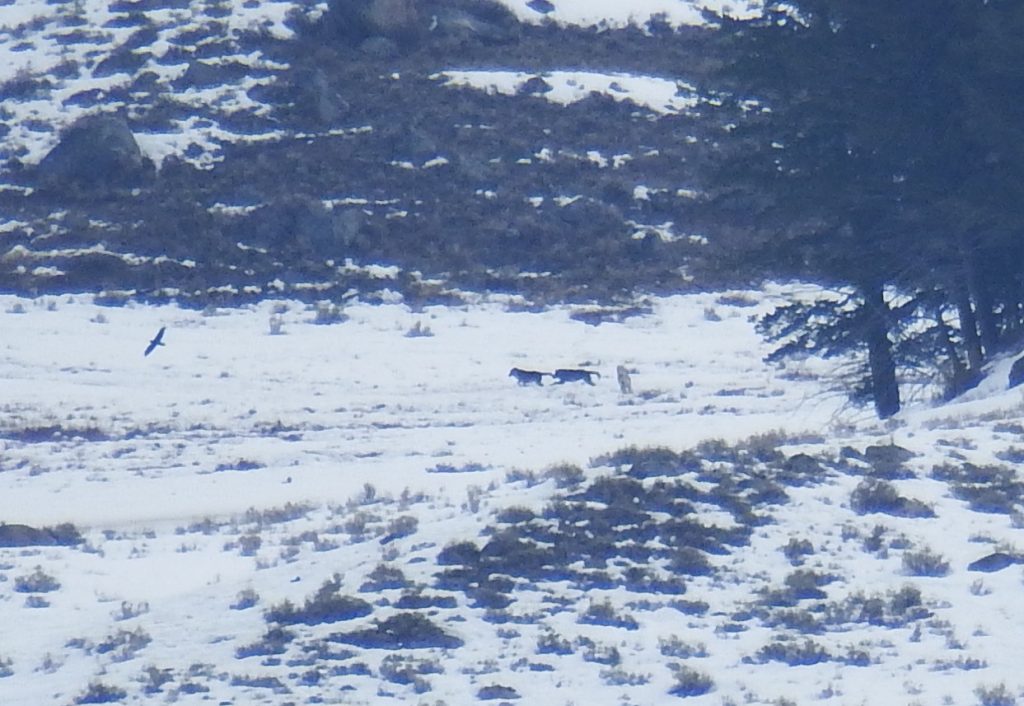
Playing wolf pups

The eleven-month-old pups were playing. The adults were sleeping.
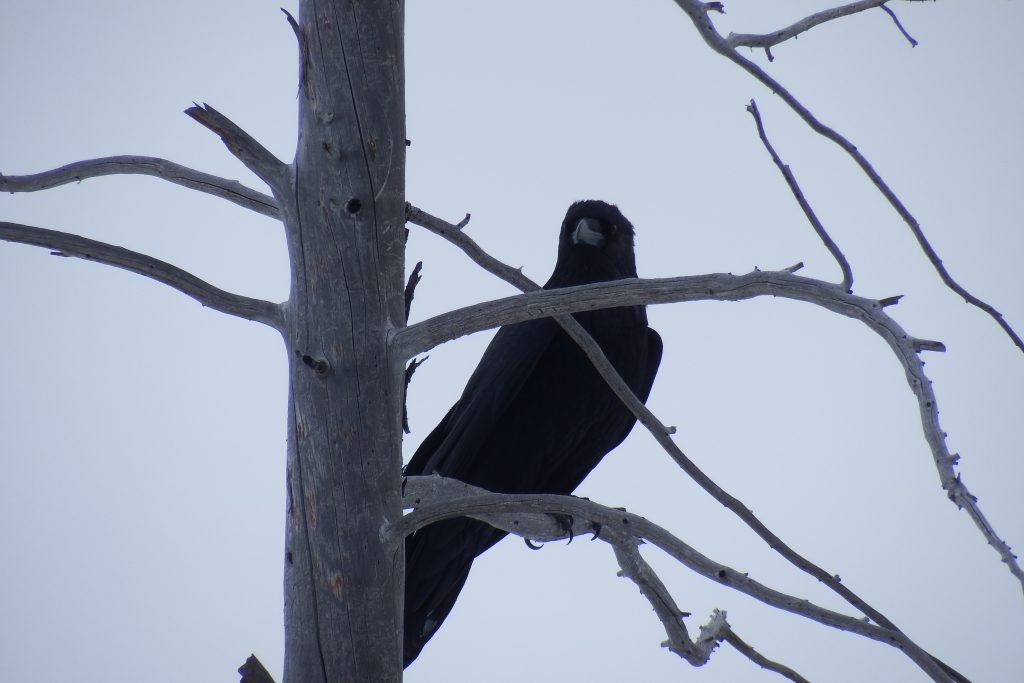
Raven on a dead tree

Ravens were sneaking in to steal bites. And, at various spots along the road, wolf watchers had set up their scopes to watch the action unfold.
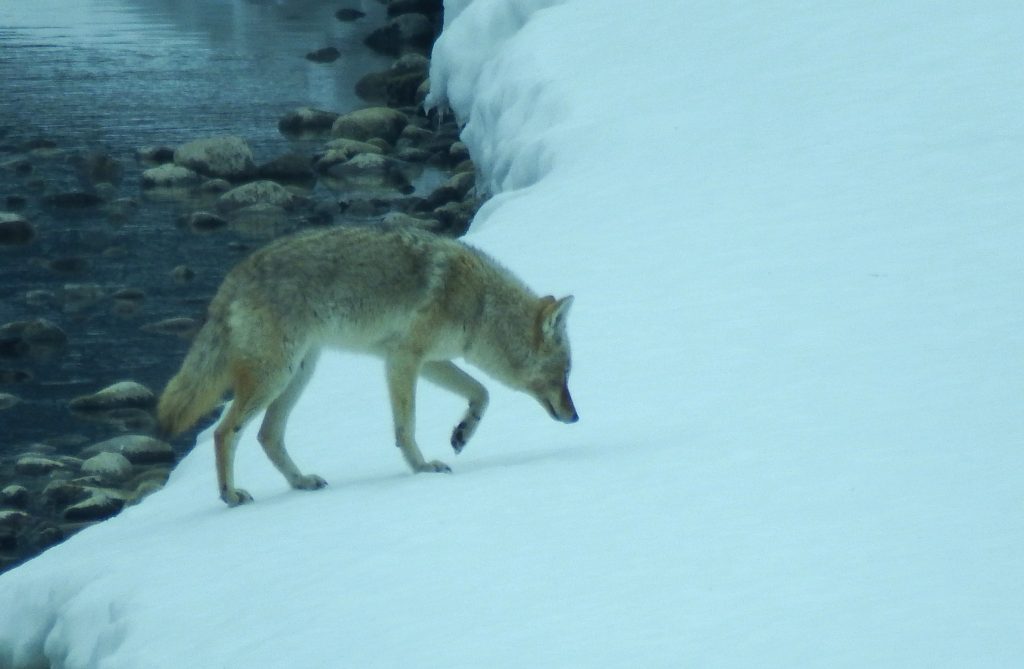
Coyote smelling the ground

There wasn’t much action though, once you got over the cuteness of the pup play. So, when we heard coyotes yipping perhaps halfway between us and the kill site, many folks moved our scopes over to Yancey’s Hole to check out the wolves’ smaller relatives.

Coyotes, as you may or may not know, have a social structure a bit like that of wolves…but different. Weighing in at a third the mass of wolves, coyotes go for small prey and generally hunt solo. They do defend territories from other coyotes, and they do bed down together once hunting time is done. But even the full pack is usually just a handful of animals — a mated pair plus maybe a few youngsters from last year.
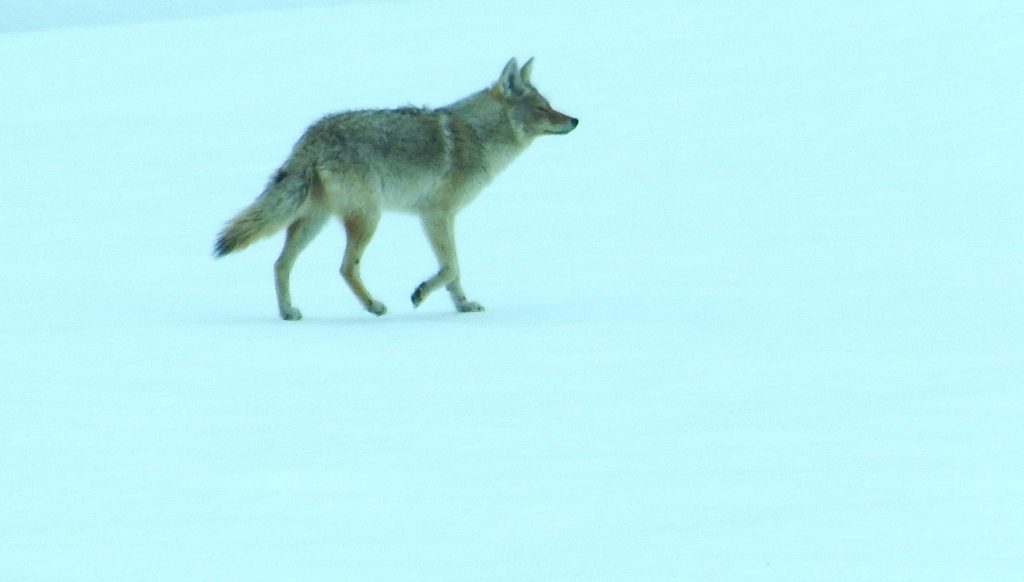
Alert coyote

In this case, there were three coyotes on the frozen ice…and all of them were looking to the left. Smart guides know that when groups of animals all peer in the same direction, you should look that way too. Sure enough, off to the left was:
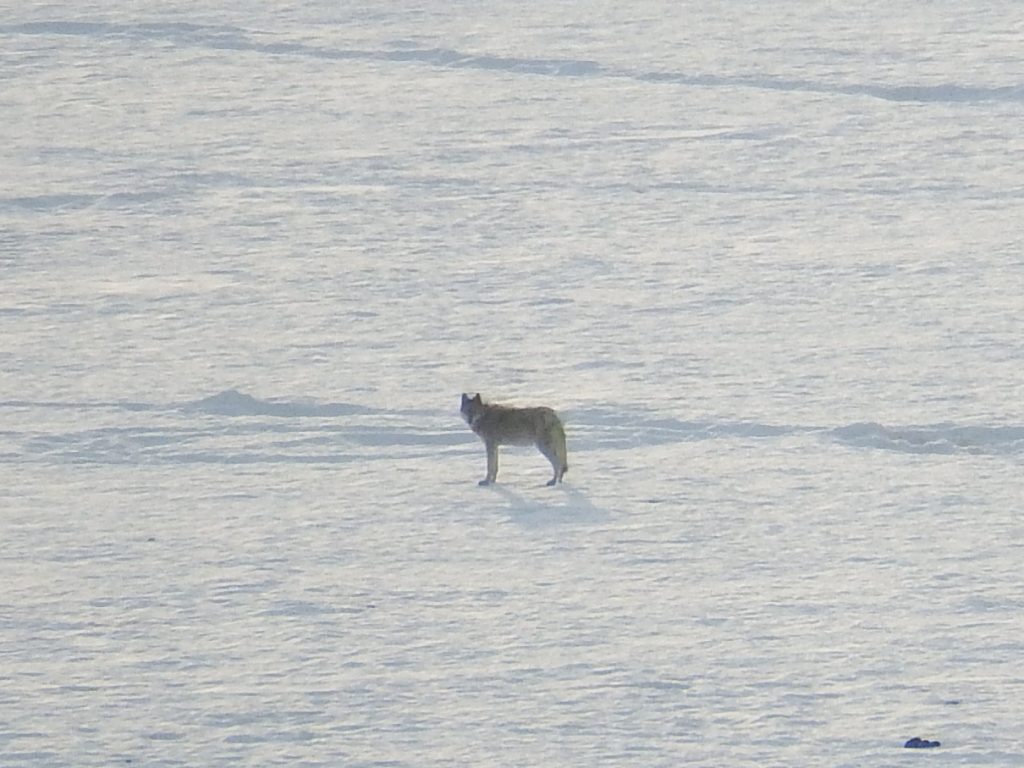
Wolf on the ice

…a lone wolf! (Yes, this is my very best wolf photo of the entire trip.)

The books tell me that a wolf is always the winner in a coyote-wolf interaction. That’s why, soon after wolf reintroduction to Yellowstone, coyote numbers declined dramatically (and fox numbers actually went up since coyotes, in turn, kill their own smaller relation).

What the books don’t say is that a pack trumps a lone animal any day of the week.
Coyote by a stream

In this case, the wolf initially looked like it might be able to wander through coyote territory unscathed. But it was three against one, and before we knew it the coyotes were driving their larger relative up off the ice and into the snow.
Coyote beside icy pond

The story became more poignant when our guide clued us in to the lone wolf’s likely identity. Leo Leckie knows each wolf in the park by number and ancestry and can tell you in great detail about the soap-opera drama of mating, fighting, and hunting in which the packs engage.

In this case, Leo had two guesses about the uncollared lone wolf’s identity. The most likely scenario, he told us, is that this was a youngster who used to be part of the Crevice Creek Pack before said grouping splintered and failed. It all began when yet another pack lost their alpha male to a hunter outside the park boundaries, leaving the females without their patriarch. Their hunt for a solution was as bloody as the initial problem — they drove the alpha female out of the Crevice Lake Pack and stole her males, leaving this pup alone in the cold.

Life is tough for a lone wolf, as I soon discovered. But he was lucky to run into coyotes — less bloodthirsty — rather into than another wolf. In this case, the smaller canines just got the wolf’s attention, then they escorted him out of their territory in one long line running along the top of a hill. First came a coyote, then the wolf in the middle, then two more coyotes bringing up the rear.

They were running so fast I could barely keep up through my scope. Then, a shout from the side of the parking area:

“Grizzly bear!”
Grizzly bear and wolf

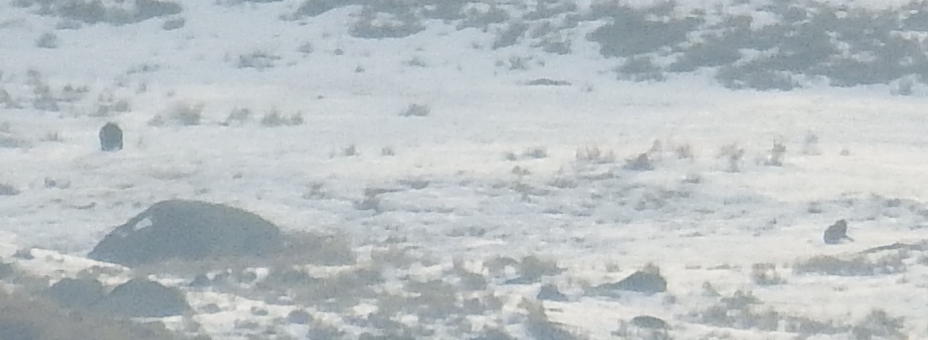
As a unit, every one of the wolf watchers whipped our optics back up to the more distant carcass site, leaving that lone pup to escape on his own. Because grizzlies were just coming out of hibernation, so seeing one at that time of year was considerably rarer than a wolf sighting. But sure enough, there the bear was, lumbering toward the site of the bull-elk kill.

(In the sad photo above, the grizzly is on the far left and a wolf is on the far right for scale.)

Now, once again, let me start with book learning. Grizzly bears are tremendous compared to a wolf, so it’s no surprise that they steal wolf kills left and right. In fact, some naturalists have reported that grizzlies follow the scent of wolves, looking for a dinner to steal rather than taking down their own prey. I fully expected the Junction Butte pack to lose their dinner and have to move on.
Wolf pack at carcass

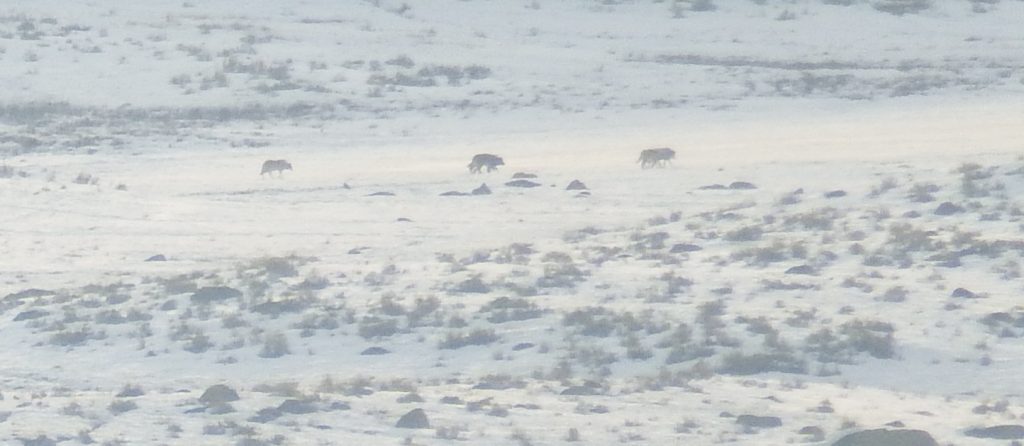
But this post, as you may recall, is about the power of the pack. Five or six wolves were on that bear by the time I got my scope refocused. They mobbed the larger animal, jumping and biting…and within seconds it was the grizzly rather than the wolves who headed away.

And, okay, so the grizzly didn’t run scared like the lone pup had in the face of coyotes. Instead, the bear ambled, a bit like my cat when I shoo him off the counter. “I didn’t want that carcass anyway,” I could almost hear the grizzly say.

But the wolves did want the carcass…and they kept it. And that, many scientists suspect, is why wolves live in packs.

What do you think? I hope you’ll share your thoughts via facebook:
Finding wild wolves in Yellowstone

Yellowstone National Park

Today was our first full day in the park and we were on a mission — finding wolves. On the surface, this sounds utterly impossible. Currently, there are between 80 and 100 wolves living in the 3,741 square mile park. And, okay, so half of the eight packs live in the north range where we planned to be looking. Still — when we headed up into the mountains at dawn, the task felt reminiscent of seeking a needle in a haystack.

Tracking wolf radio signals

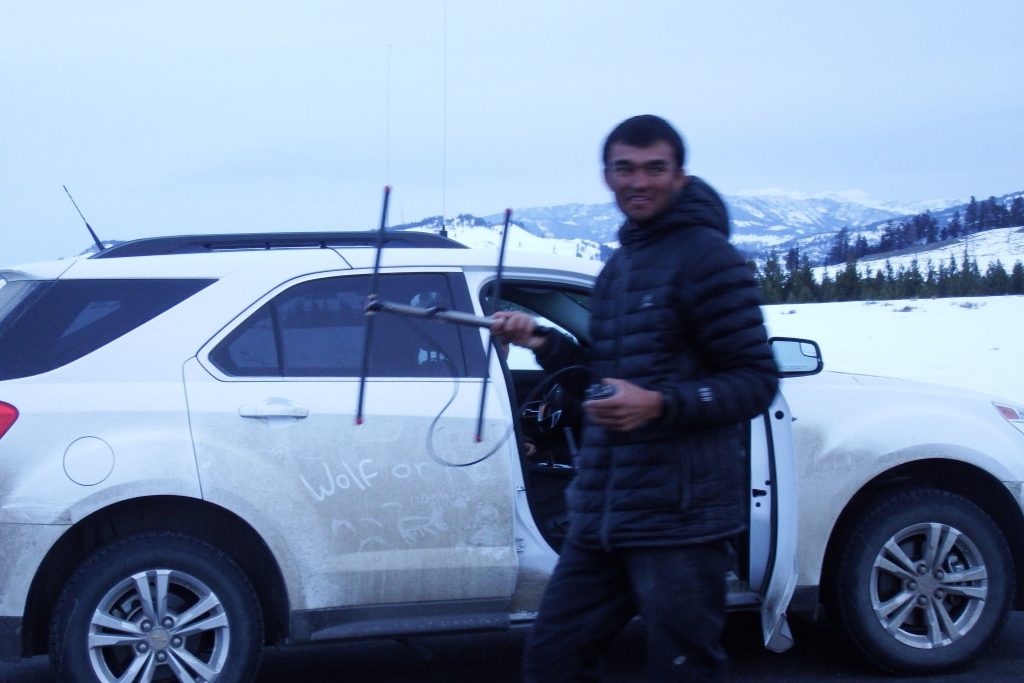
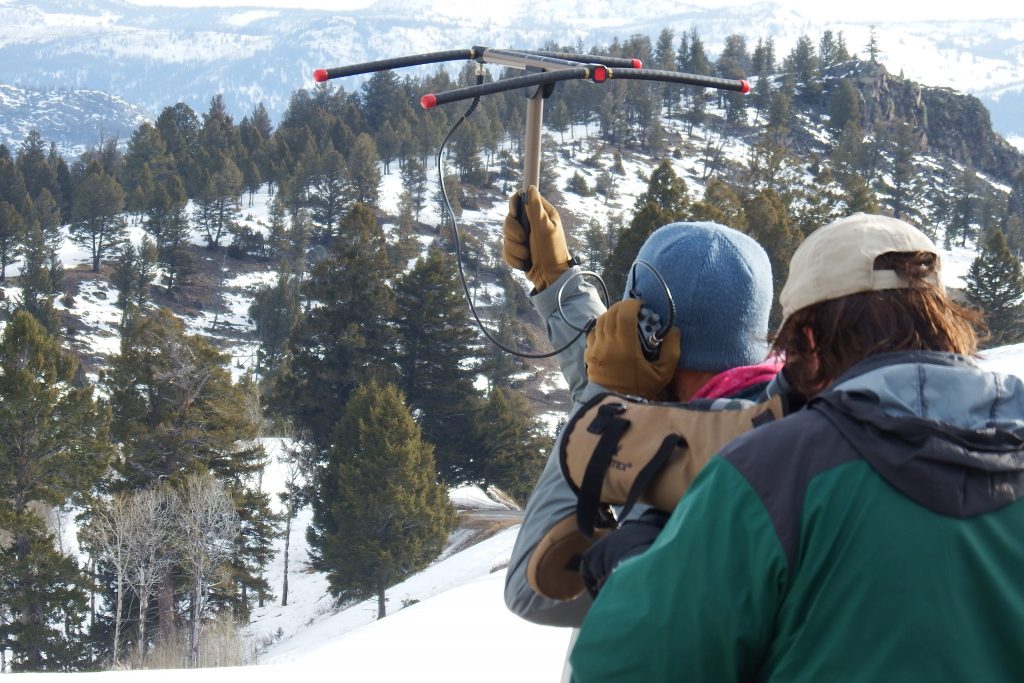
Enter the Wolf Project — a team of hard-core scientists who spend every daylight hour at this time of year tracking Yellowstone’s wolves. At least two wolves per pack wear radio collars that can be picked up as far as five miles away if the terrain is in your favor. On the other hand, if the wolves are hiding down in a ravine, you might not get a signal even if you’re only a mile out.

Yellowstone Wolf Project

Wolf Project did get a signal pretty quickly…but the wolves (Junction Butte Pack) were hiding in the trees. After hours of hopping from spot to spot on the road, setting up scopes, and seeing nothing, our fearless leader caught a glimpse of a lone gray wolf running across the snow…and then the wolf was gone before any of us could find it with eyes, binoculars, or scopes.

Dressed for winter wolf watching

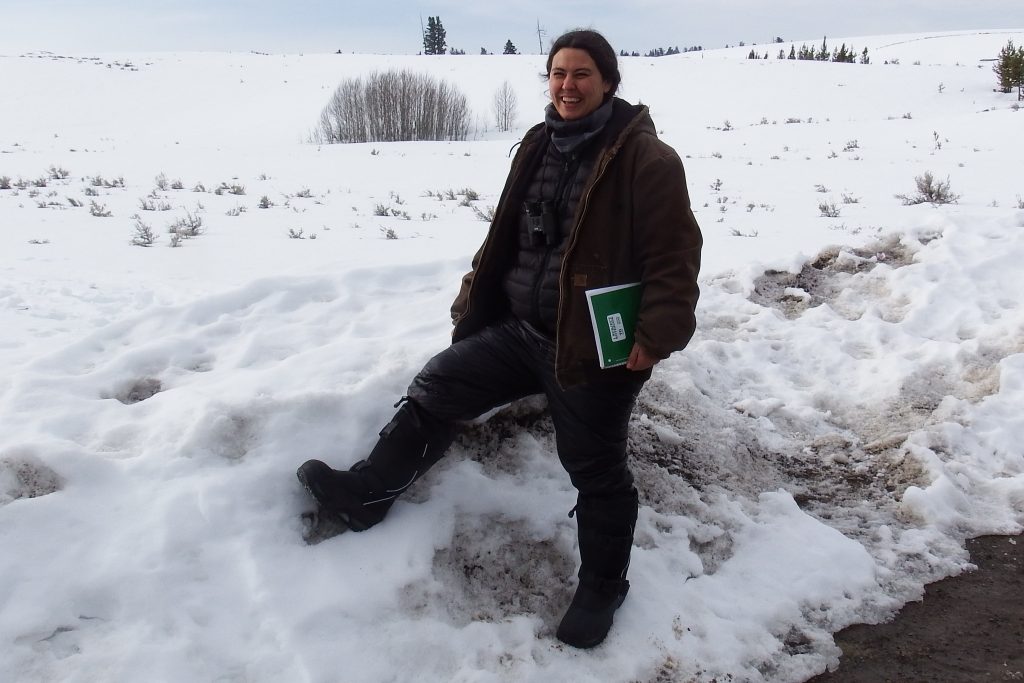
I’ll admit to feeling a bit discouraged at this point. I was overdressed, having packed everything on the recommended list and worn two-thirds of it. Wool socks beneath -100 F boots. Long johns beneath down pants. Six layers on my torso and two on my hands. I was too hot for a hat even though others were stomping their feet at 19 degrees.

Buffalo drinking from a puddle

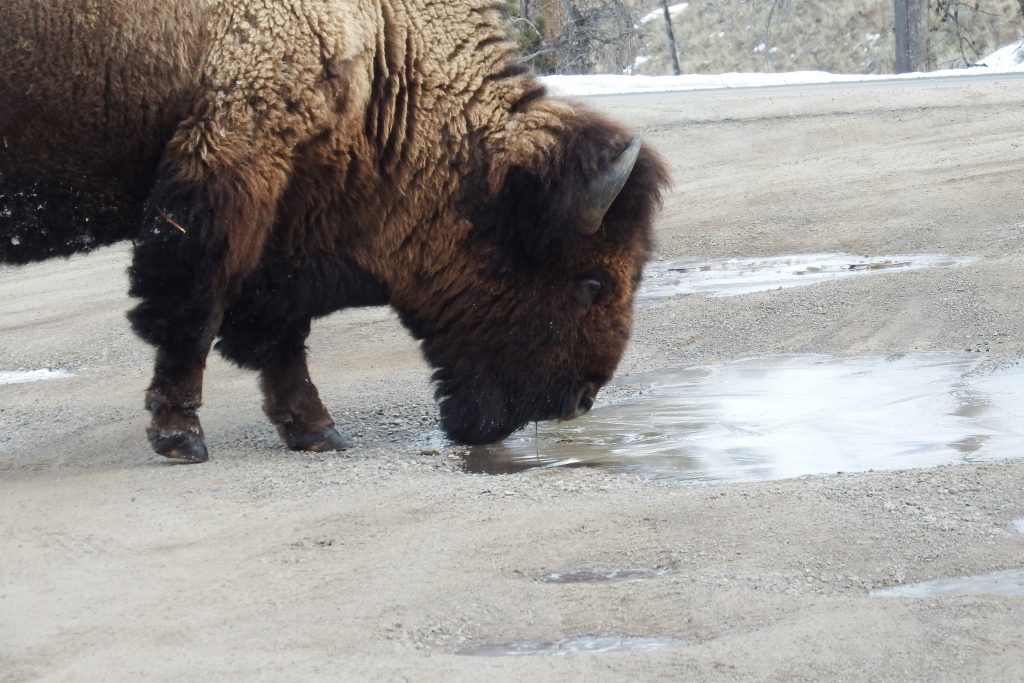
A bison reminded me how good I had it. He took a side trip into a parking area in search of water, breaking through the ice with his nose before drinking long and deep. Afterwards, perhaps spooked by our proximity, he left the pavement and sunk hip deep into the snow, struggling to move either forward or back.

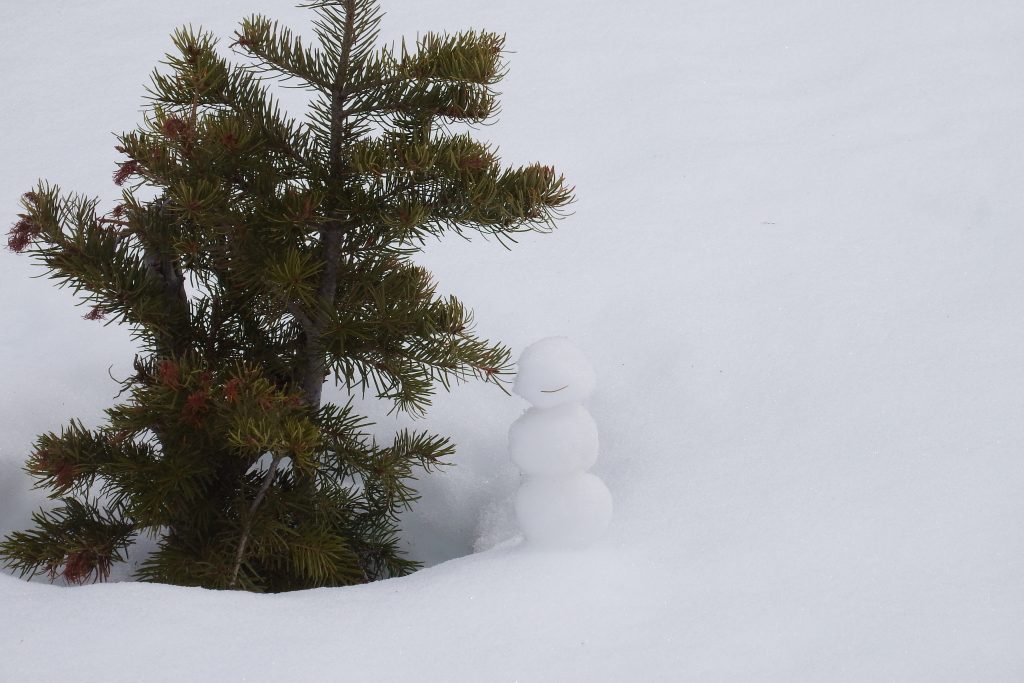
Mini snow man

Yes, this is foreshadowing. Pay attention.

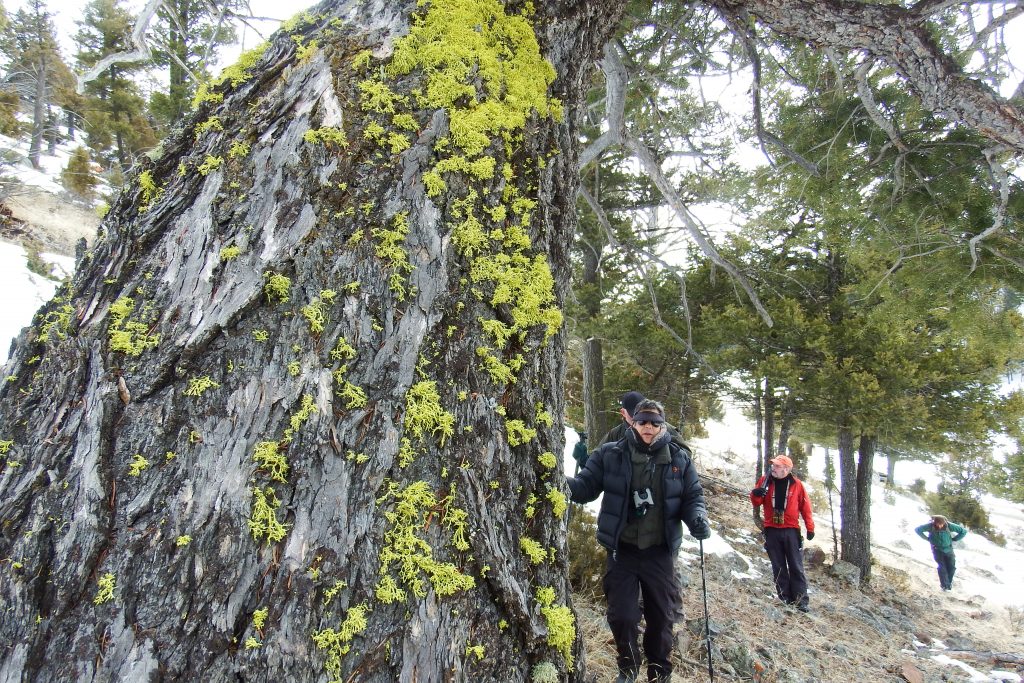
Yellowstone lichen

Anyway, back on the trail of the wolf we decided to leave the road and do a little postholing. What’s postholing, you ask?

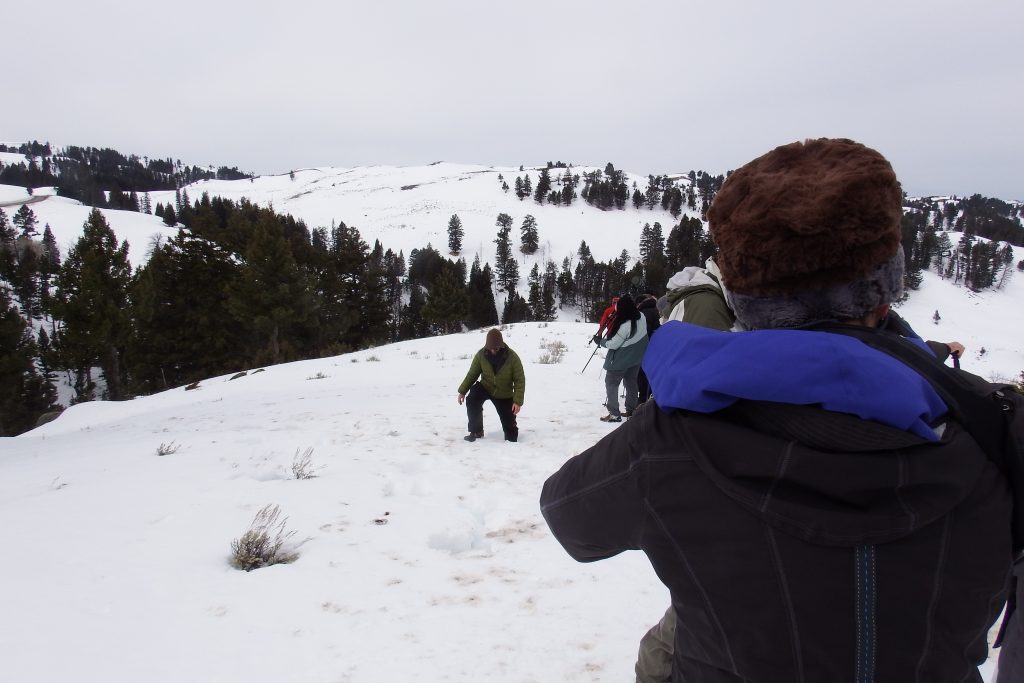
Post holing

It’s when you walk on a crust of snow that occasionally drops you through into a knee-deep post hole. Then you’re faced with clawing your way out without disrupting the surface so much your other leg breaks through as well.

Suffice it to say, postholing is nothing like ambling down my usual woodland trails!

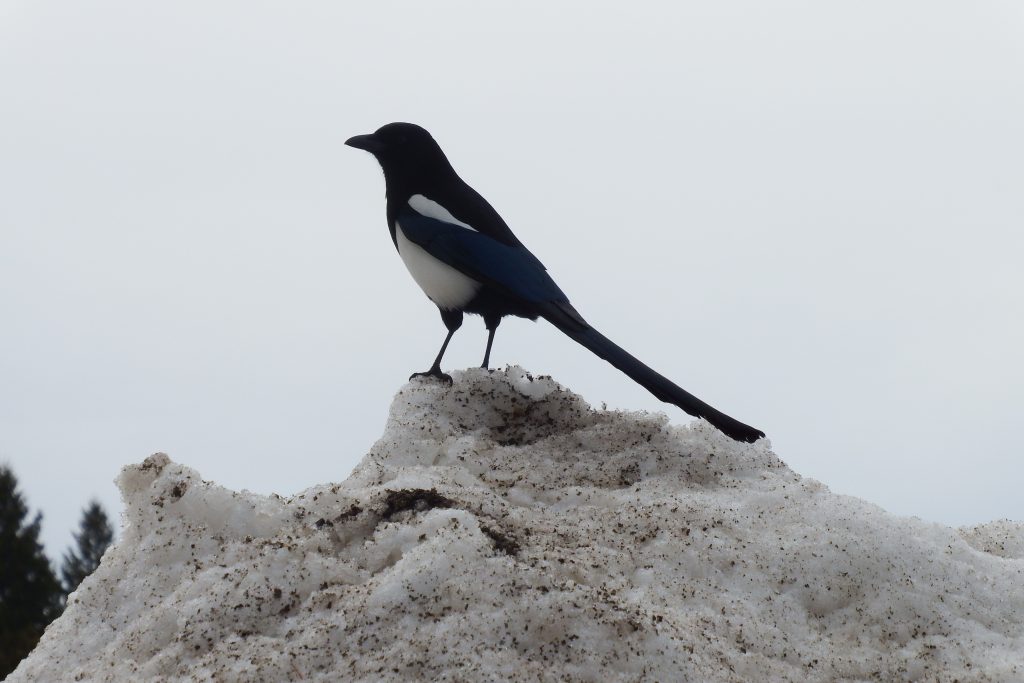
Magpie

Despite a bit of postholing, I thoroughly enjoyed our off-road excursion…but the wolves still refused to show. So we headed back to Mammoth for a delicious lunch and a bit of bird watching. This magpie is the picture my travel computer feels like posting, but we were also treated to magnificent views of a sleeping male great horned owl and his mate hidden deep in a nest of witch’s broom.

North Butte from a distance

So, yes, there was lots of beauty and wildlife…but I wasn’t the only one who wanted to see wolves. So when our leader came to us with a decision — the 8 Mile Pack was on a kill and we could see it if we walked through a mile of rock and snow — I jumped at the chance to take part.

I was so gung-ho, in fact, that Mary (another wolf watcher) and I set out up the road toward North Butte before our trip leaders had finished handing out scopes and trekking poles. Only after we’d crested the little hill on the left did we look back…and realize the rest of the group was waving at us. We were headed the wrong way.

No problem. We’d cut across the snow to meet them. But the snow was deep — up to our hips in spots. And postholing was happening right and left.

One of my pack mates has a photo I may manage to add later. Taken from a distance, Mary and I are both waving our arms wildly as we attempt not to sink into the snow. But I have one leg submerged and she’s going down to.

Yes, this is why this section of the blog post has no photos. I was far to intent on survival to pull out the camera!

North Butte

At one point, I tried following a bison trail…but apparently I weigh more than a bison. Still, Mary and I pressed on, not smart enough to take turns breaking trail the way wolves do but instead spreading out in our own separate struggle.

Eventually, huffing and puffing, we caught up to the group and continued climbing up the hill, through thin high elevation air, hoping the wolves weren’t gone.


Sleeping wolf pack

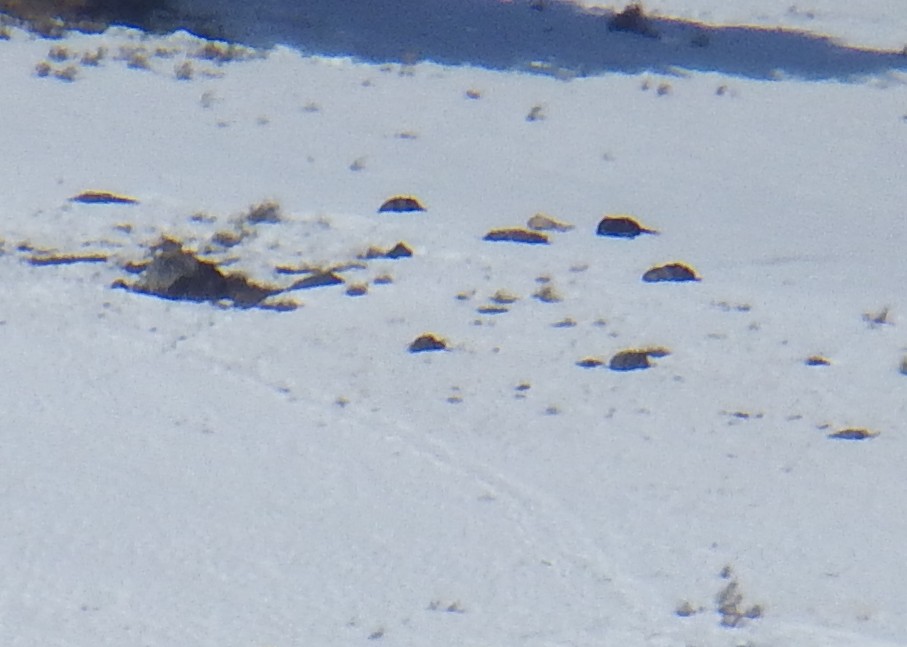
They weren’t! At the top, we set up scopes and found them, four black and two gray wolves lounging three hundred feet or so from the elk carcass they’d gorged upon that morning. Through binoculars, they looked like specks. Through the scopes, they looked like lumps.

Then one raised its head…and imagination filled in the blanks. The wolf was real and wild, seeming to peer across the mile of snowy ground that separated our two packs.

“Follow your alpha next time,” I imagined the wolf admonishing me and Mary. Nodding sagely, I lay back and listened to the wind rushing through the pine trees while soaking up my first wild wolf sighting.

And on the way back, Mary and I let our tour guide break trail.

Wanna chime in? I’d love to hear your comments on facebook:
Wolf Watching in Yellowstone: Day 1, charismatic megafauna

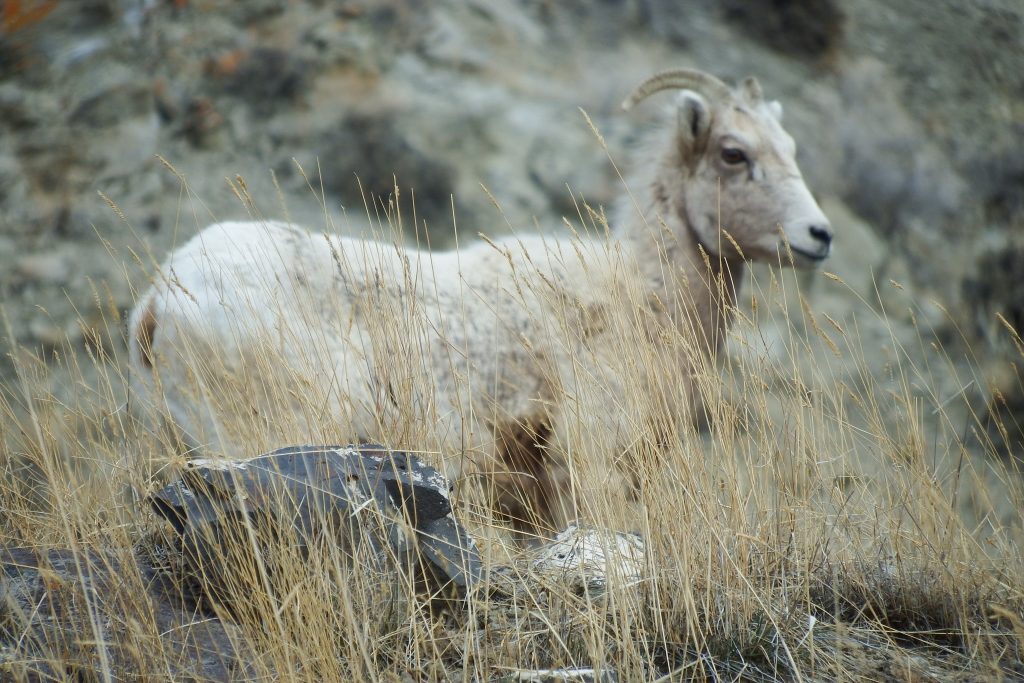
Bighorn sheep

I’m currently enjoying a once-in-a-lifetime adventure — a wolf-watching tour in Yellowstone National Park! I’d planned to save up a week’s worth of thoughts and photos and compile them into several thoughtful blog posts. But the truth is that at the end of day one, I’m just too excited not to share! So, come along with me on this afternoon’s cruise along Yellowstone River on the northwest corner of the park.

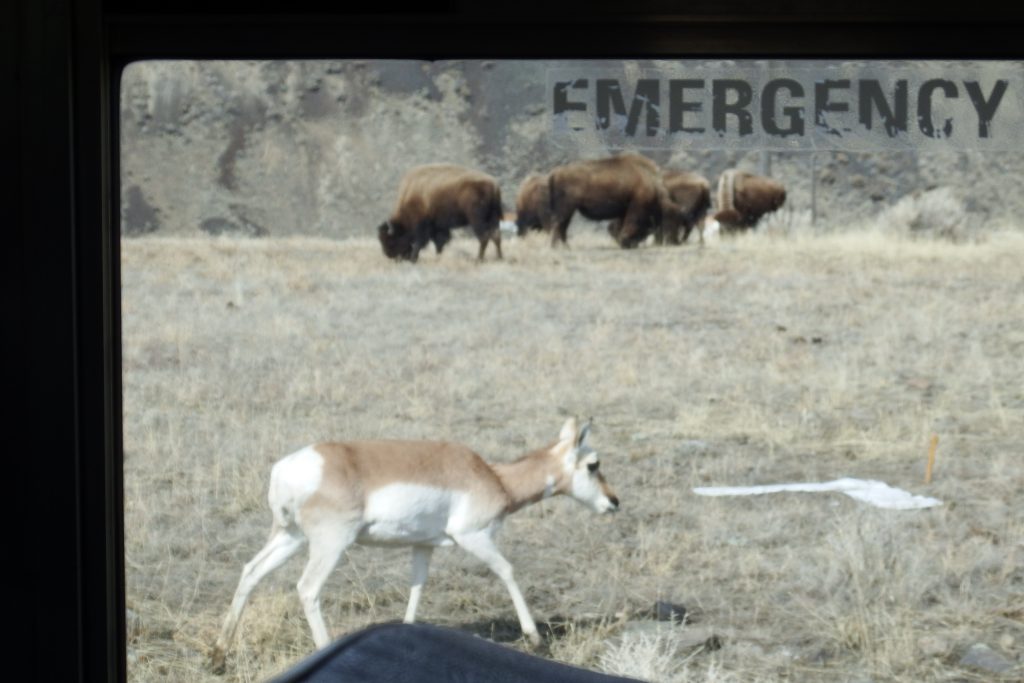
Pronghorn antelope and bison

If you had to guess which of the two species in this subpar photo (taken through the bus window) is considered lunch by wolves, which would it be? Bison or pronghorn antelope?

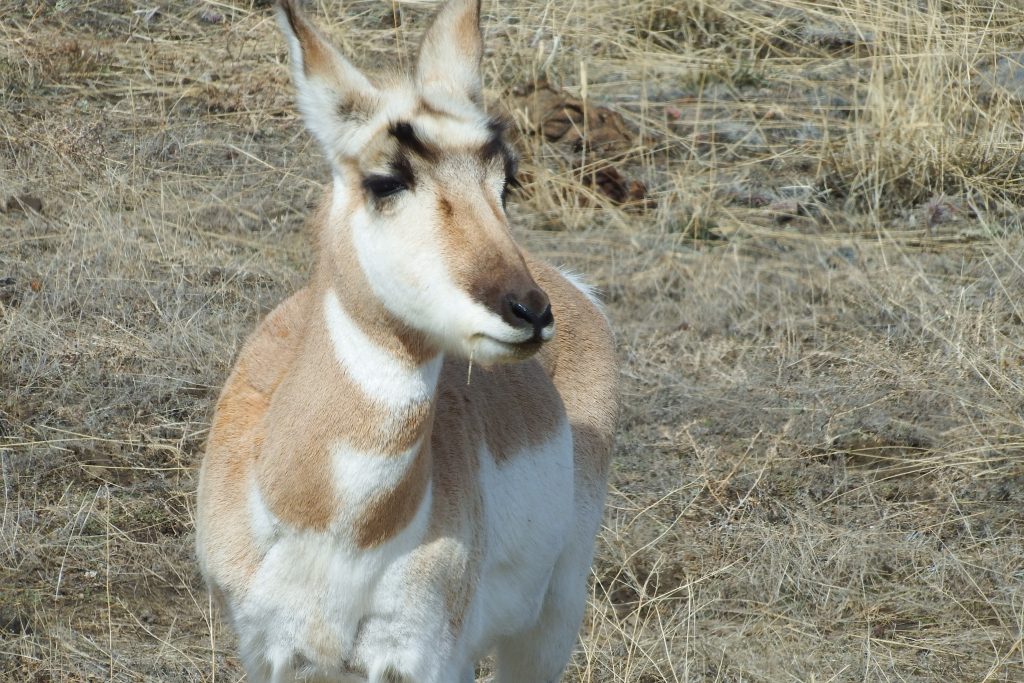
Pronghorn antelope

If you guessed the antelope, you were taken in by these ungulates’ mild appearance. Pronghorns co-evolved with a cheetah-like cat, and now that the ancient felines have bitten the dust nobody can outrun them. That’s right — pronghorn antelopes are too fast for wolves, capable of running up to 50 miles per hour and clocking in as North America’s fastest living land mammal. In contrast, wolves tend to top out in the high 30s mph.

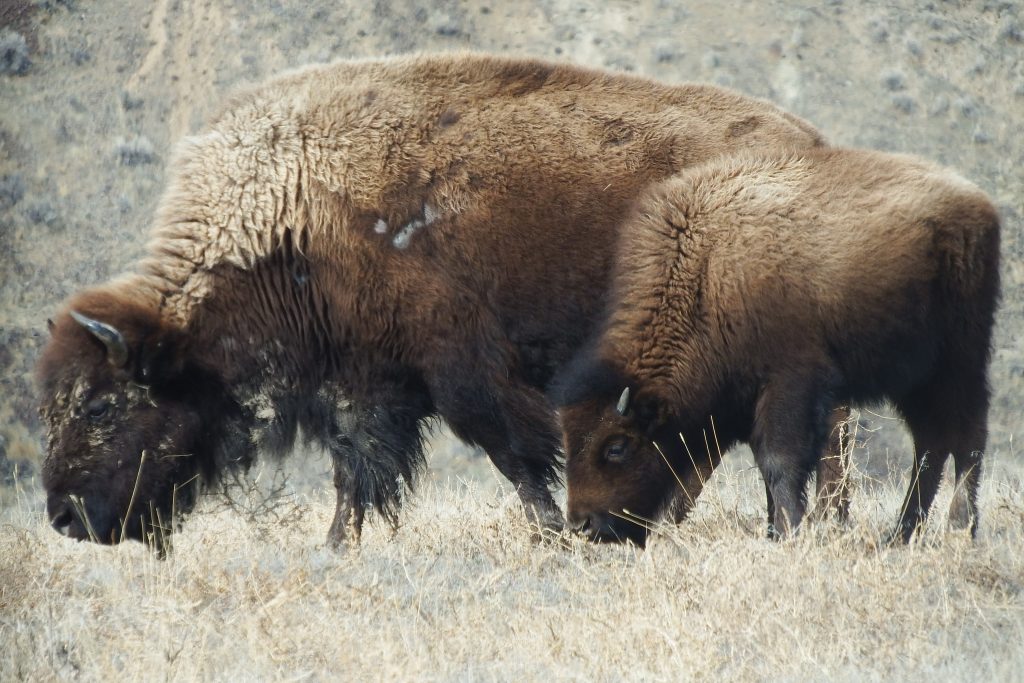
Bison

Bison, on the other hand, can be taken by wolves, especially if a pack can drive the lumbering beasts into dense snow. In fact, there have been sightings of single wolves taking down a bison, although it can be a multiple-hour-long battle. Sometimes it’s better to be fast than big.

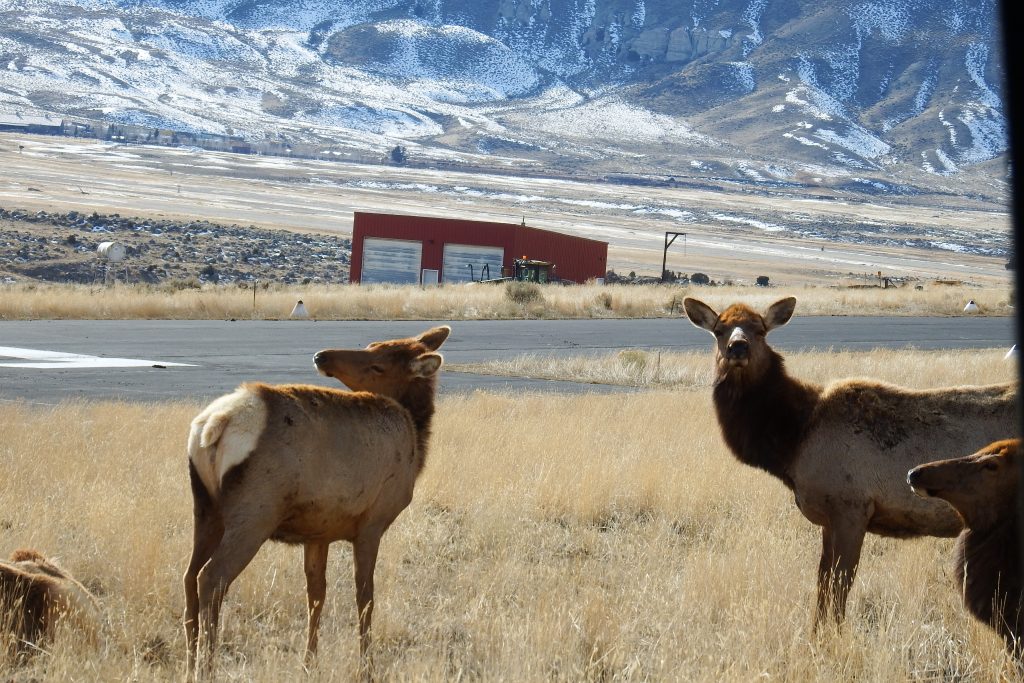
Elk

Of course, a wolf’s favorite food is neither of those species. Here in Yellowstone, a happy wolf is a wolf with access to elk. Given that there are only 80 to 100 wolves in Yellowstone at the moment but approximately 7,000 to 8,000 elk, the packs have a pretty good shot at finding dinner.

Ravens on a carcass

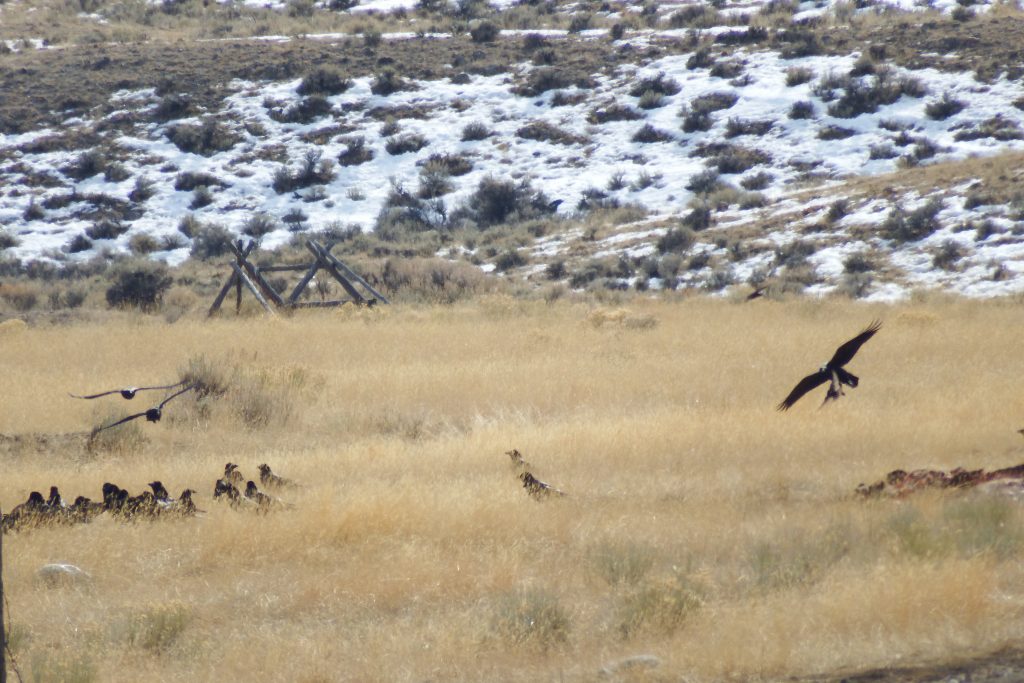
Or rather, breakfast. We arrived far too late in the day to get a chance at spotting wolves on day one, although we did see some of their frequent companions — ravens — nibbling on a human-killed bison carcass. Did you know that some scientists think ravens lead wolves to sick or dead animals, hoping for help ripping through tough hides so both can feast together?

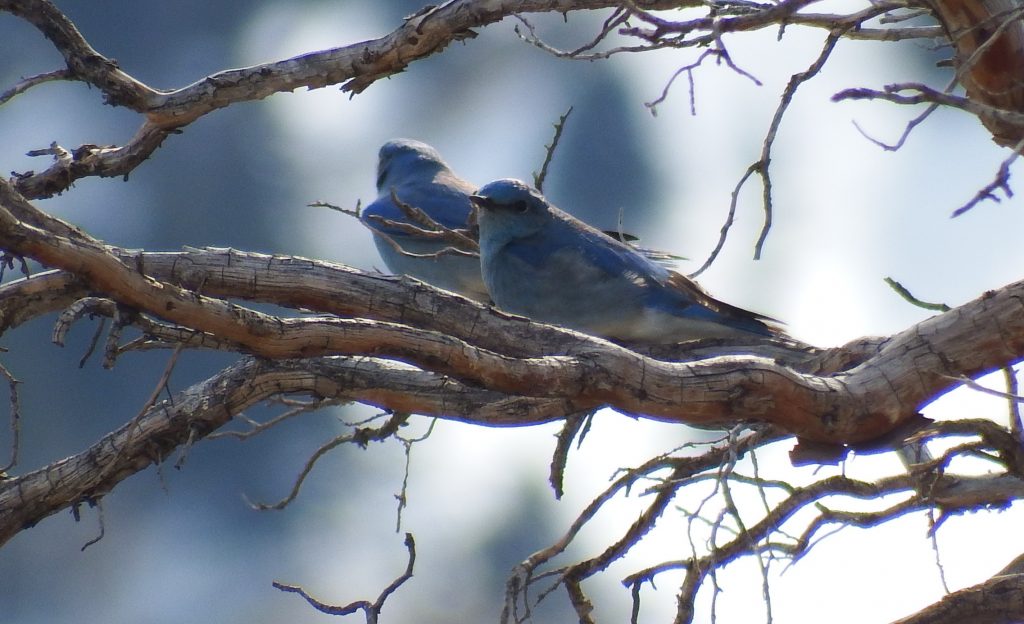
Mountain Bluebirds

Tomorrow, I hope, there will be more beauty — like these Mountain Bluebirds — and also our first sighting of wolves. Fingers crossed!

Wanna chime in? I’d love to hear your comments on facebook!

Looking for werewolves in ancient petroglyphs

I’m only a few chapters into the first draft of my 2019 series, which means the characters, the plot, and even the world are entirely in flux. This is the dreamtime of a novel, when I submerge myself in ideas without requiring any of them to stick.

Here’s what I know:

  • My heroine is a modern-day archaeologist.
  • There’s some sort of link between the ancient worlds she studies and the werewolves she doesn’t yet know exist just beyond the edges of her ordinary life.
  • The art of those ancient worlds might just be the link….

So I’ve been researching French cave paintings, which will likely be the subject of another post. A throwaway line in one of those books, however, sent me off on a tangent. It suggested that prehistoric people painted or etched into rock faces throughout their environment. We just know about the stunning cave paintings because they were created in a protected environment and stood the test of time.

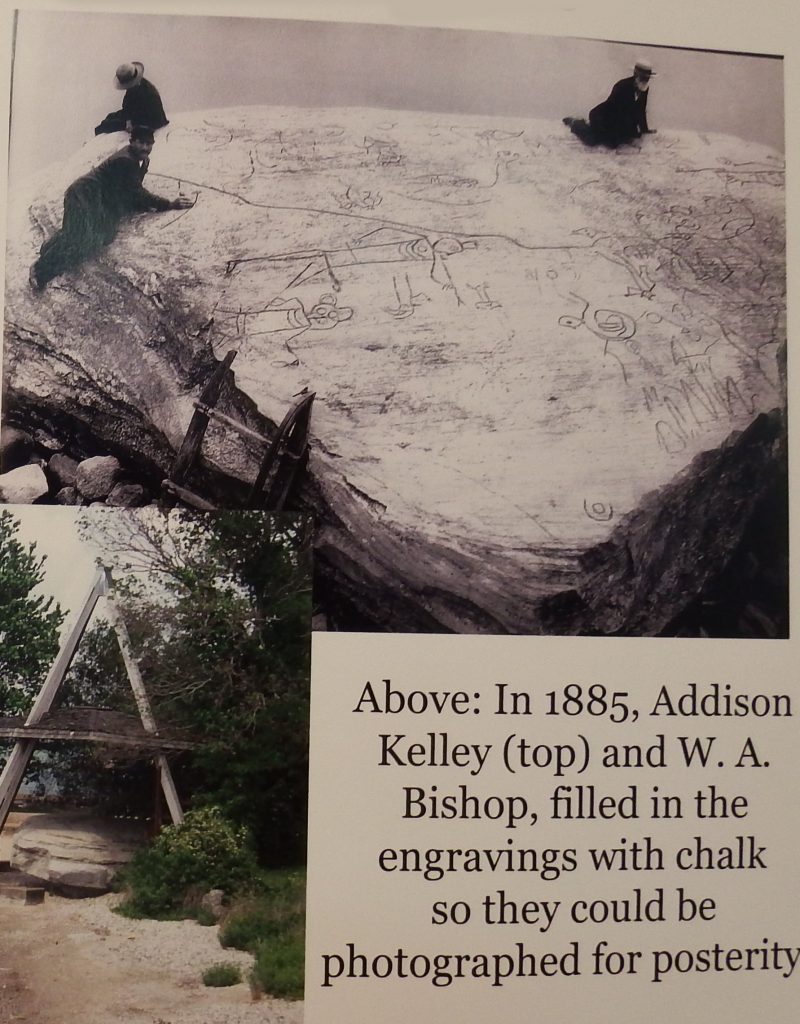
Inscription rock petroglyphs 1885

I should have realized that was the case due to my own experience visiting Inscription Rock at the edge of Kelleys Island, Ohio. I was so excited to see a petroglyph up close and personal…then I didn’t even take a single photograph of the engravings. Because, in just a century and a third, lines that had clearly represented people and animals had faded into an impossible to decipher mess.

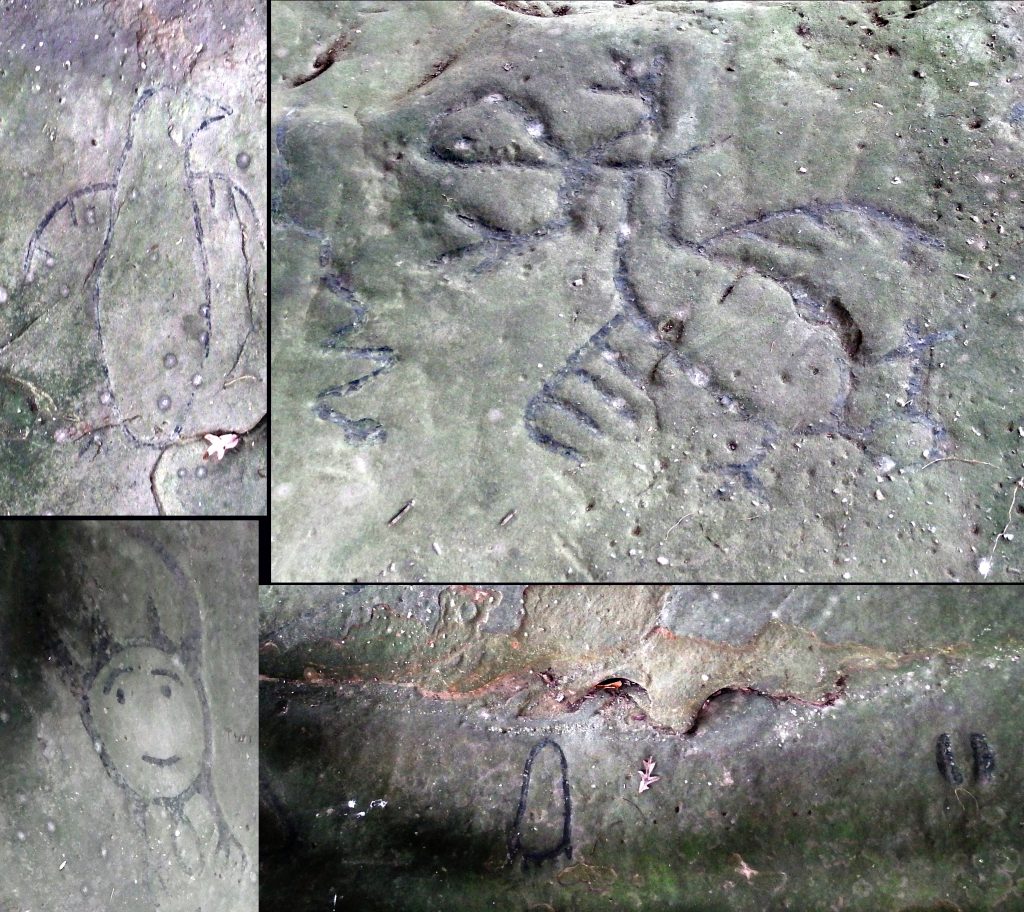
Leo petroglyphs

My recent visit to Leo Petroglyph in the southern part of the state was slightly more inspiring, but still left a lot to the imagination. Lack of wave action and the presence of a shelter erected in a more timely manner (plus modern painting within the lines) made it possible to decipher birds, a snake, bear and deer (elk?) tracks, plus a human/animal combo that looked a lot like a prehistoric emoji. But why had the images been drawn and what did they mean to their creators?

I soon discovered that petroglyphs are found nearly worldwide and they may have widely varying purposes. Some were maps, others are considered the forerunners of writing, and some may have been carved by shamans in an altered state of consciousness.

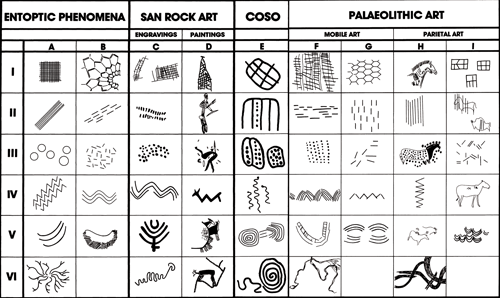
Form constants in petroglyphs and cave paintings

How can we know that the ancient artists weren’t just representing the world they saw around them? Geometric patterns are often included in paintings and drawings from prehistoric times…and the similarities of those shapes from widely disparate continents is startling.

Scientists had a hard time explaining these repeated grids and dots in ancient art until studies of the images modern people see during drug-induced hallucinations came to light. Form constants are shapes that our brains and eyes team up to produce when left to their own devices, a bit like the “snow” on an old-fashioned TV when nothing is being broadcast across the airwaves. Seeing form constants show up in cave paintings and petroglyphs suggested a shamanic/religious purpose of some of these images at least.

Of course, in my werewolf world, there aren’t many drugs but there’s plenty of magic. Suddenly, the wheels are spinning like crazy in my head….

Kitsune lore

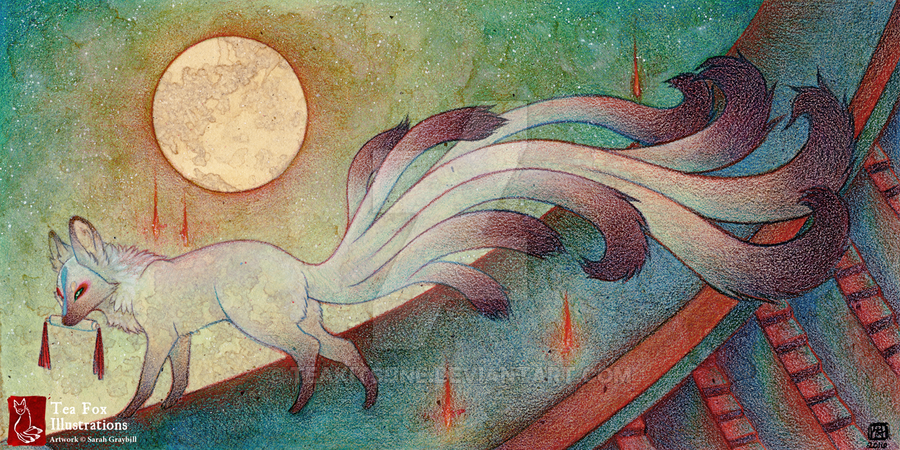
Kitsune

I can’t actually remember what was going through my head a year ago when decided that my next protagonist was going to be a kitsune — a Japanese fox shifter. I think I was perusing lists of traditional shifter types and stumbled across this unfamiliar being with so many fascinating traits.

Despite that gap in my memory, I do know where I did most of my research. Come and Sleep is an easy-to-read and surprisingly far-reaching summary of kitsune folklore, ranging from the silly pranks in some stories to the almost selkie-like tale of a female fox who learned to shift for love of a human man but was unable to maintain the illusion so had to leave her family or die.

Kitsune woman

Kitsunes are reported to marry on rainy days under sunny skies. They’re boundary creatures, who belong to neither world but visit both. Sometimes they’re vampiric, using sexy times to steal a man’s yang power. Other times, white-furred kitsunes are divine messengers of the rice/wealth goddess who come to earth to punish wild trickster foxes (identifiable by their red fur).

I didn’t end up using all of that lore in my Moon Marked series, but I did incorporate the two-edged sword of kitsune gratitude. If you help a kitsune, they’ll be indebted to you…but if you aren’t grateful for their assistance they might react quite badly indeed.

How about you? Have you read any kitsune-related stories you enjoyed? If so, I hope you’ll use the facebook link to comment below!

In the company of wolves

Wolves

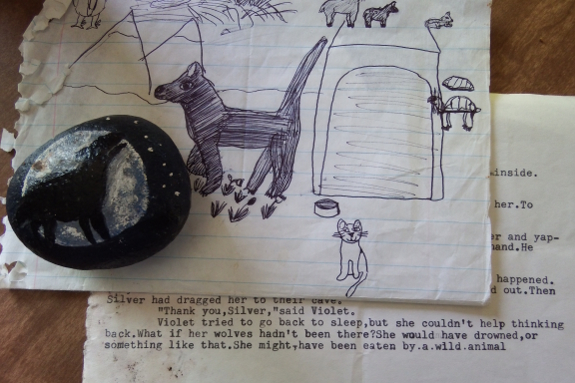
My first novel-length story erupted out of me during late elementary school. I remember spending hours scribbling down Violet’s adventures, but the plot is completely lost to the mists of time…or so I thought until last week. Imagine my surprise when my mother dug up the drawing and typed scene above, proving that Violet was hanging around with wolves!

(The painted rock was made by my awesome friend Kayla — much better than my childish drawing, don’t you think?)
wolf

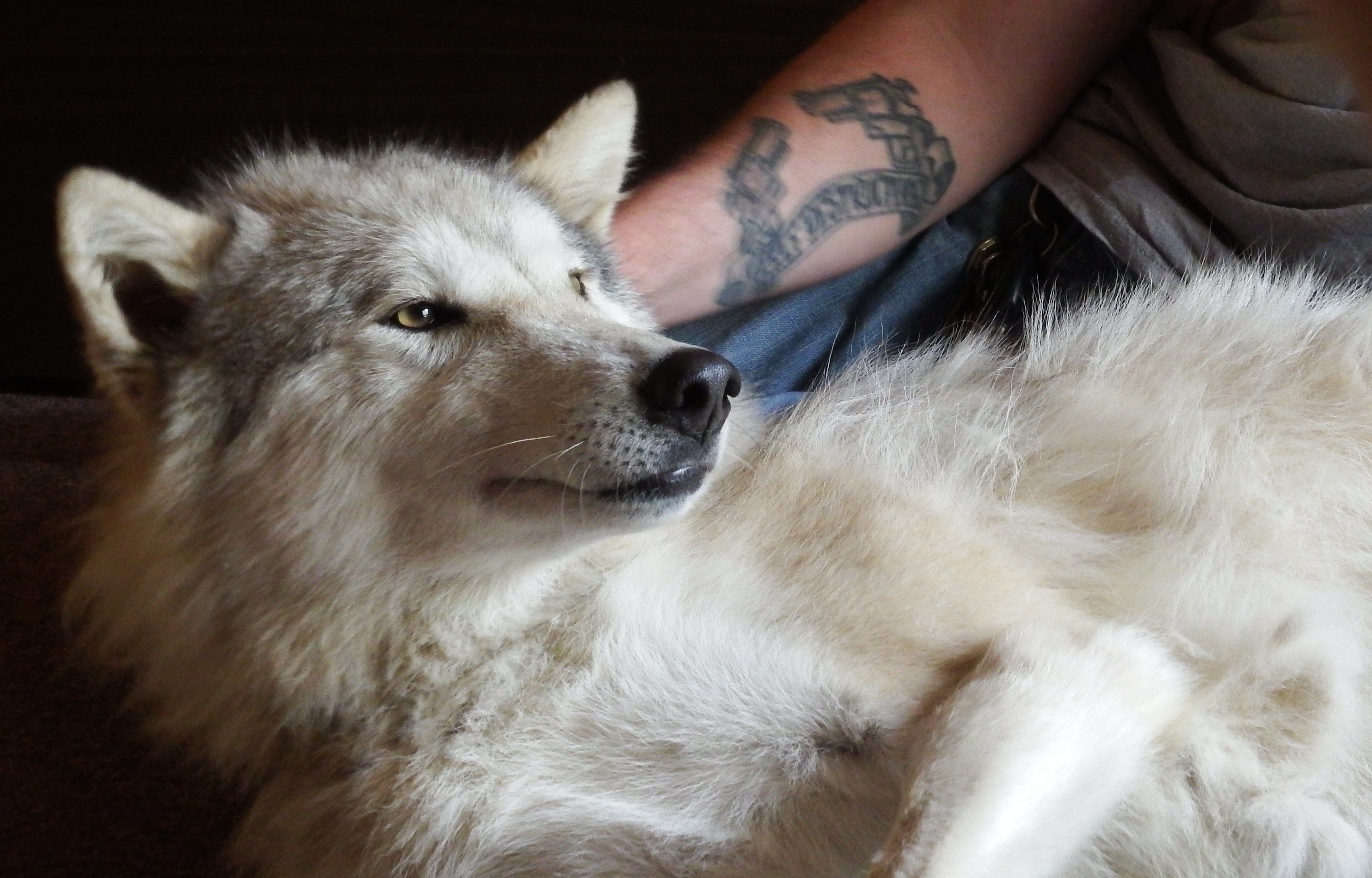
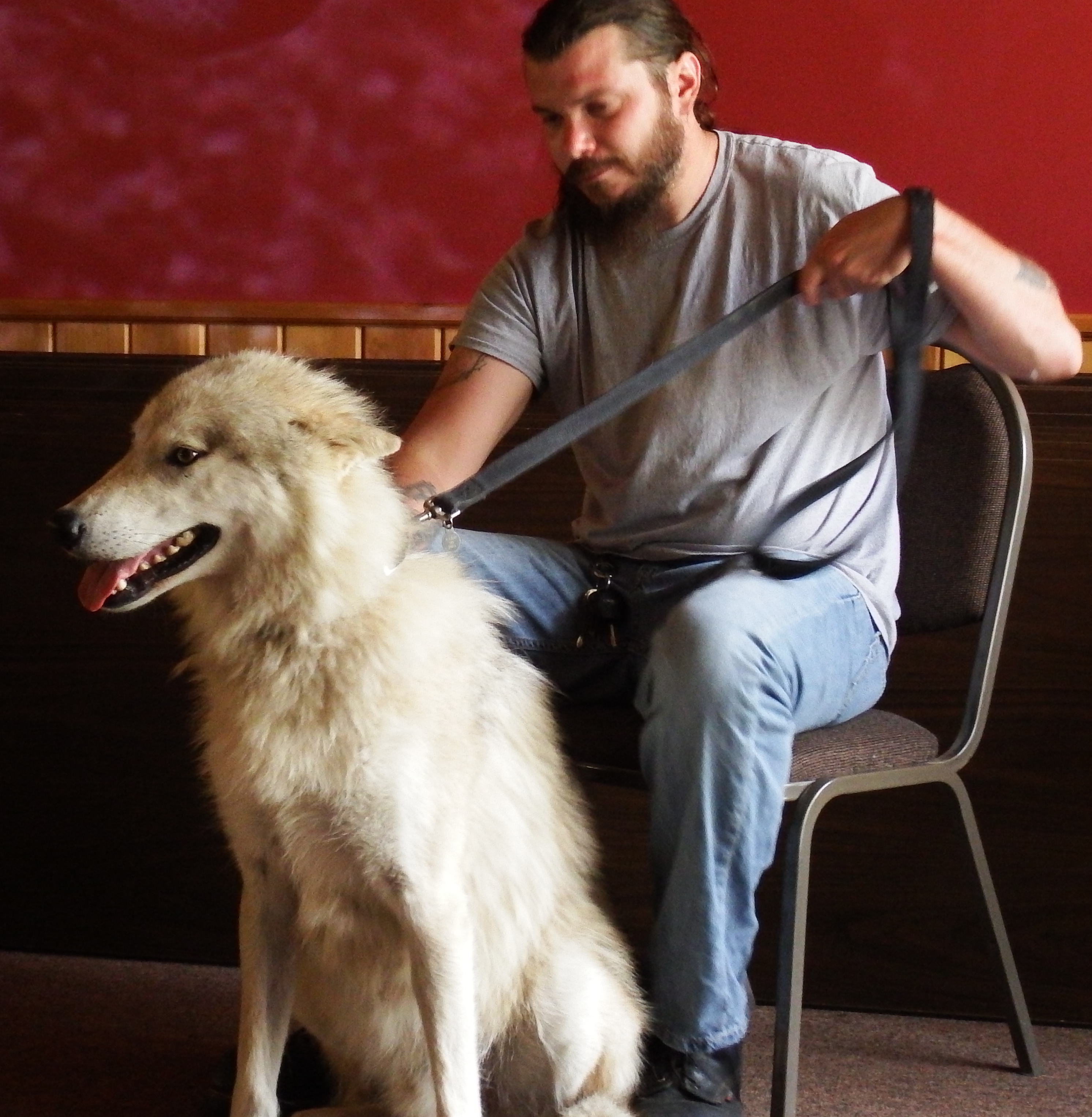
Inspired by this evidence of a childhood fascination with wild canines, I braved the toddlers and attended a live wolf presentation put on via a partnership between our local library and Ironwood Wolves. Logan is a three-year-old male who would have been reaching the end of his life in the wild on the average one meal per week, but appeared to be thriving in captivity where he’s likely to reach or exceed the grand old age of twelve.

Closeup of a wolf's face

His feet were tremendous. His fur was almost mangy as he shed out his winter coat. And his temperament was mild leaning toward catnapping…until a child strayed across the safe line and prompted him to snap his teeth.

Good inspiration for future werewolf books!

Writing tidbits from the retreat

DSCF6490

In addition to pushing my social boundaries, the writing retreat I recently attended sent me home with a half-finished short story and lots of actionable authorial tips. I include the best of the latter here just in case you’re a writer as well as a reader. And if you don’t care for writing…maybe the pictures will float your boat.

Chipping away

One takeaway was using synesthesia to fuel your creativity. Writing about the colors of music or the grittiness of sounds rewires your brain to push out interesting ideas.

And try this — focus on sound echoes. Every three to eight syllables, use alliteration, near rhymes, or repeated vowels or consonants inside words to emphasize the words you want to stand out.

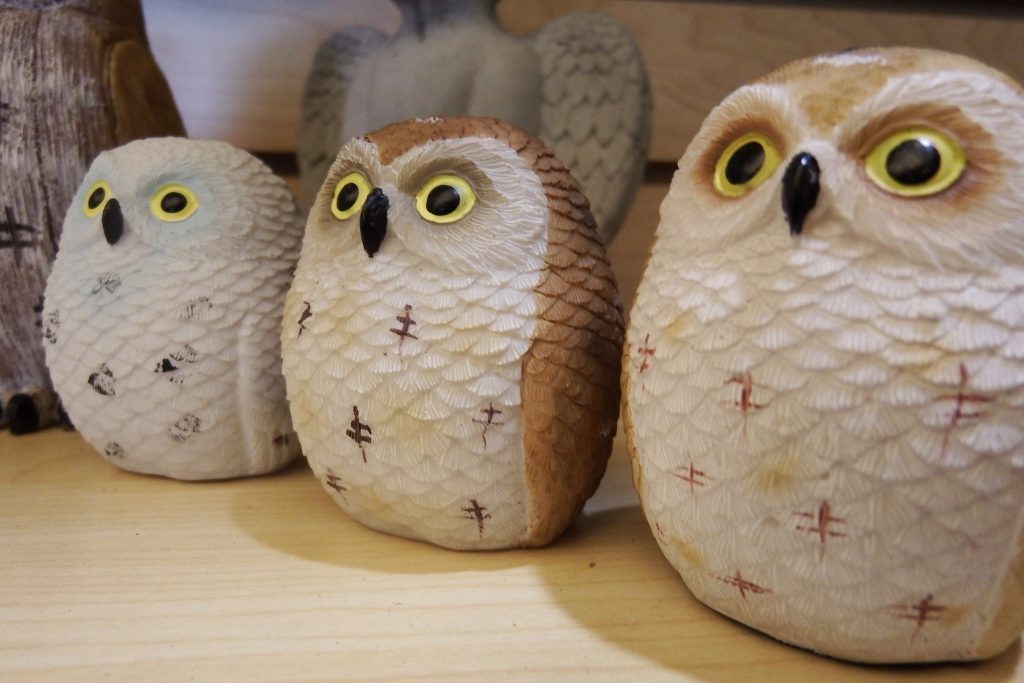
Wise owls

Another intriguing tidbit was that the flow state I’m so good at harnessing when writing is closely akin to the meditative state I can’t for the life of me achieve when sitting cross-legged on my yoga mat. Both are about focusing, and I highly recommend Heather Sellers‘ warmup techniques if you need help with the former.

There’s more to it, but she basically gets settled then sets a timer for three minutes, labels a sheet of paper from one to ten, picks a random word (like “sofa”), then jots down ten images chronologically spanning her life that relate to the prompt. If she gets stuck, she starts to spiral — literally — by drawing a spiral on the corner of the page, trying to make the lines as close together as possible without touching. By the time she’s made her list, her mind is clear and ready to write.

Navigational equipment

Heather also had several great tips for writing about difficult subject matter:

  1. Go cold. Take out the explanation, summaries, description, observations, feelings, commentary, and analysis, leaving only dialogue and action on the page. This lets the reader add in their own emotions and keeps tough subject matter in line. (It’s also a great way to amp up tension in genre fiction — you know something bad’s going to happen if the writer goes cold!)
  2. Go small. Select a specific moment you’ve never written about before and use that to represent a larger chain of events.
  3. Create a beautiful container. Transform darkness into beauty using repetition, lists, and litany to relax the reader and help them feel safe.
  4. Make all characters yearn for a good thing…even the antagonists. This turns the conflict into a fair fight and actually makes the reader identify more with the protagonist since they trust him to be telling the whole story.
  5. Come in through a side door. Heather wrote an inspiring short story all about the bikes she’d ridden through the course of her life…which also showcased tidbits of the difficult childhood she was really trying to share.

Enough about writing…time to go write!

Wolf in Poet’s Clothing

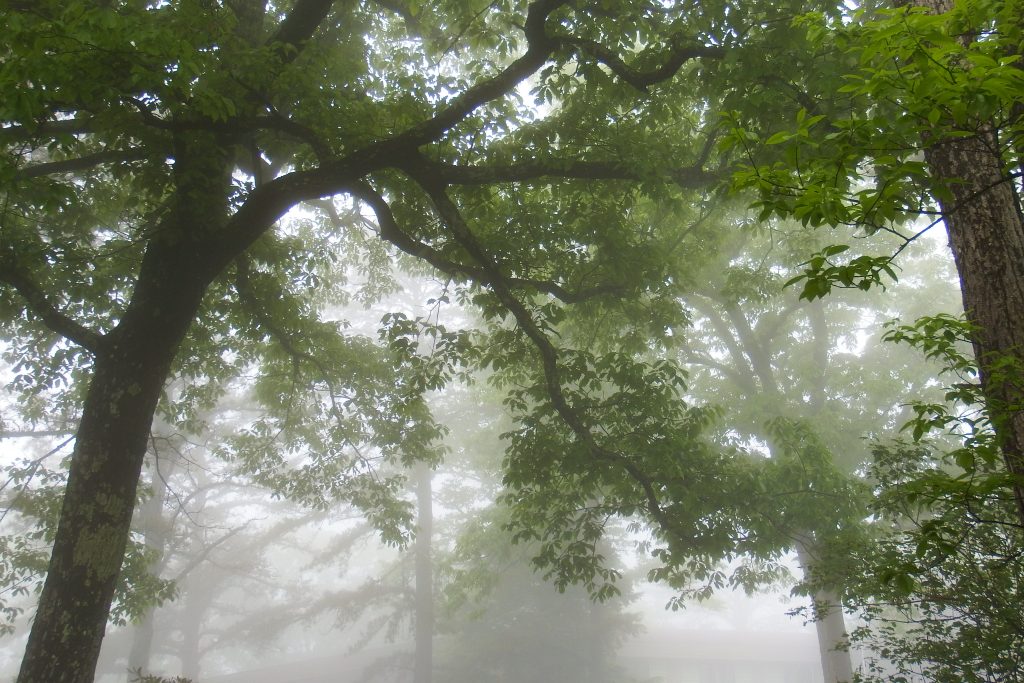
Foggy trees

Here’s what you need to know about me. I learned to read at four years old and have loved books ever since. I write werewolf novels for a living. And I haven’t taken an English class since twelfth grade.

Perhaps that’s why walking into a retreat center full of literary writers felt like willingly throwing myself to the wolves.

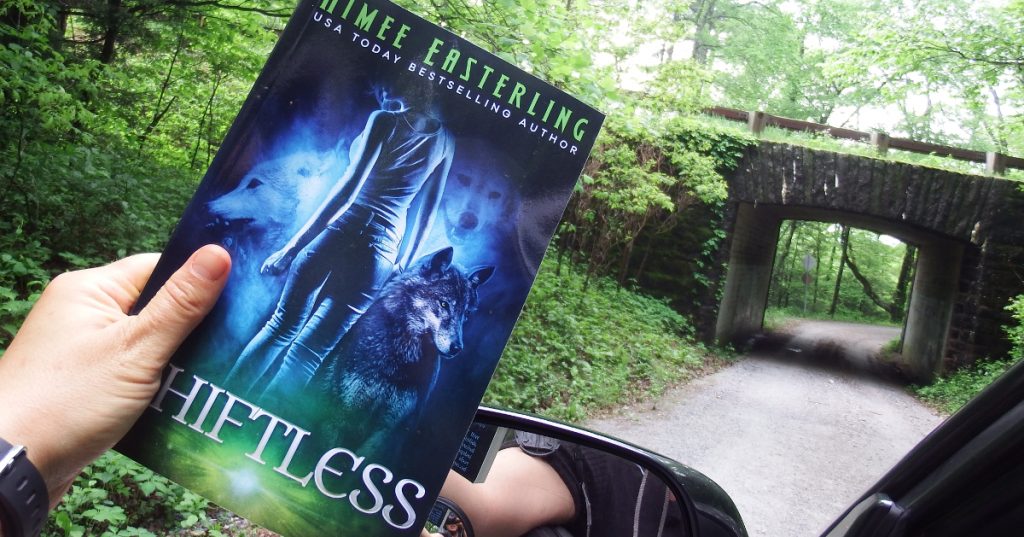
Shiftless by Aimee Easterling

“Are you the off-site person?”

I turned, but didn’t really take in anything about the speaker. Instead, my eyes flitted from chatting poet to chatting poet, scanning for signs of danger. “Yes?” I managed, the word lilting upward into a question rather than an admission of fact.

“Your car’s on the golf-cart path…” the retreat-center manager started. But my apology was already erupting before her explanation of my transgression could work itself out.

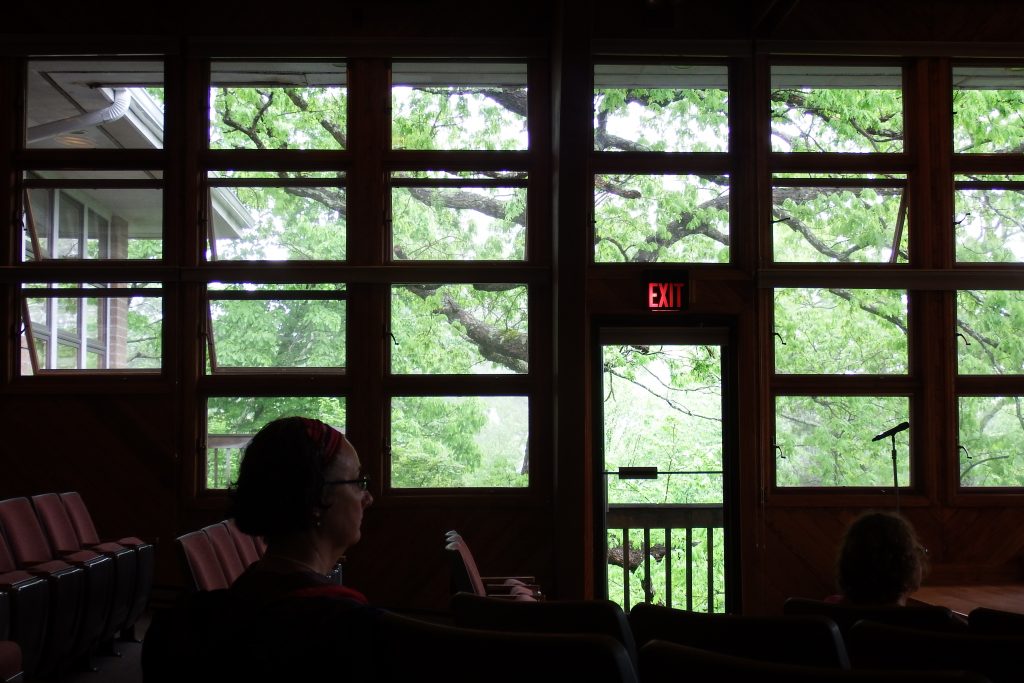
Exit sign

“I’m so sorry…” Heart racing, cheeks heating, I patted my pockets in search of car keys. Or a protective clove of garlic. I wasn’t exactly sure which.

I knew I was risking ostracism by daring to come here. I knew I should have stayed home in my safe writing den.

Here’s what I didn’t know. After absolving me of all wrongdoing, the manager would stride onto the stage and speak with the same Appalachian lilt I have. She’d share a story shrouded in fog but lacking in poetry then enjoy an ovation so loud my ears would ring.

The poets in the audience would share food and words and boundary-pushing over the course of the weekend. Then we’d all come back together in this same auditorium, reading aloud the results of a closing writing prompt.

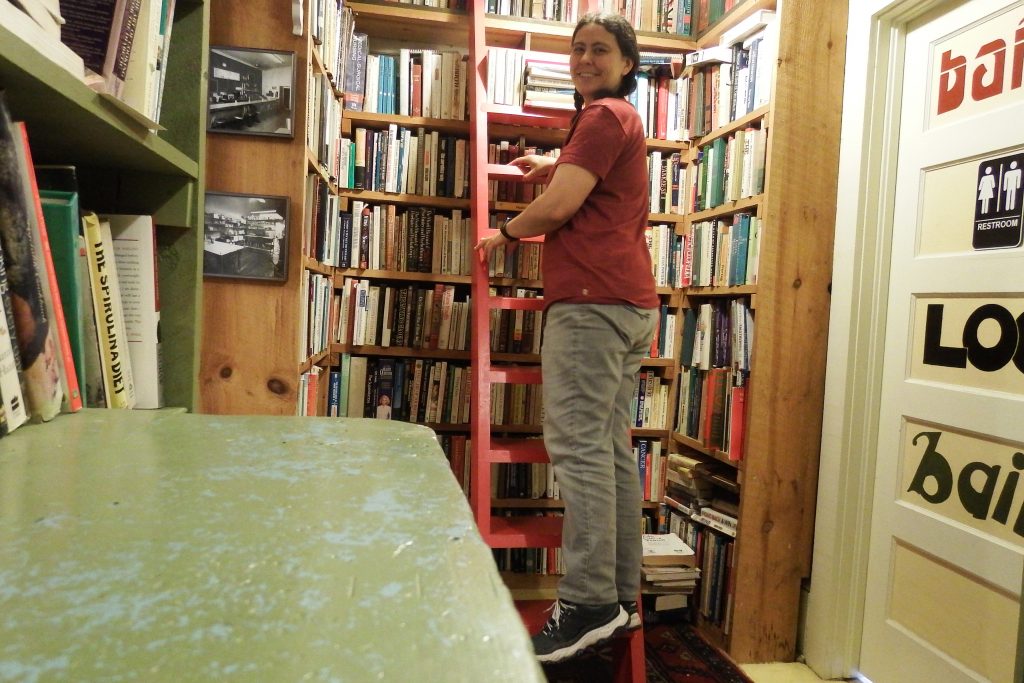
Bookstore ladder

“What happened at the retreat was…I came terrified and left elated.”

“What happened at the retreat was…I was so anxious when I walked through the door I could barely breathe.”

“What happened at the retreat was…I didn’t think I’d fit in but did anyway.”

What happened at the retreat was, I embraced my two-natured literary skin.

“What should I read once I’ve read all your books?”

Aimee Easterling's books


So, you’ve read all of my books already. What should you try next?

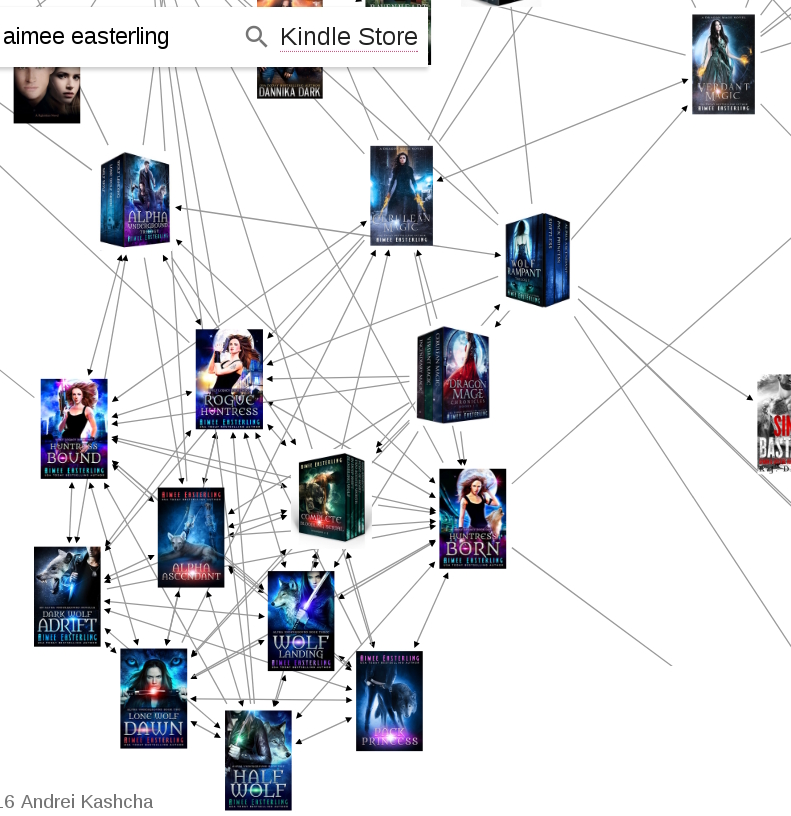
One way to look at this is using a tool like yasiv.com that shows how readers have branched out from my titles into other urban fantasy or paranormal romance novels. I’ll let you play with that tool yourself if you haven’t already.

This post is intended to be more like the librarian who notices that you read in five different genres but that every time you come scurrying back with flushed cheeks and a sparkle in your eyes, the book you’re returning contains a thief, a rottweiler, and three passenger pigeons. So, without further ado, genre-unspecific books that will (hopefully) leave you with a similar glow….

Moon CalledPatricia Briggs is the classic by which all other werewolf-related urban-fantasy series are measured. If you like my books, you’ll love hers, especially the Mercy Thompson series about a coyote-shifter VW-mechanic making her way within the territory of a bunch of overbearing werewolves.

Wolf Bride

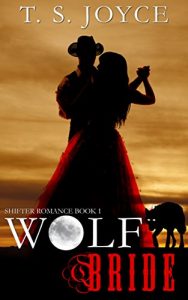
Next up, T.S. Joyce’s books are pure romance rather than being heavy on the adventure. But there are shifters and wounded heroines who grow into their true strength and plenty of feel-good happily ever afters. My favorite is the Wolf Bride series, set in the Wild West…but with werewolves.

Clean Sweep

Ilona Andrews is another obvious recommend since her books involve shifters and adventure and hints of romance. But I’ll go out on a limb here and send you toward the Innkeeper Chronicles rather than toward her more mainstream books. This self-published series has a strong but nurturing protagonist who creates the feel of a werewolf pack even though she’s not part of one.

Nice Dragons Finish Last

While I’m on the topic of really awesome urban fantasy, I’d be remiss if I didn’t mention Nice Dragons Finish Last, about which the title really says it all….

Ill Wind

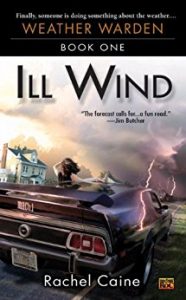
…and Ill Wind by Rachel Caine, which mixes djinns and wind magic to very good effect.

Balanced on the Blade's Edge

Moving on to second-world fantasy, I suspect even urban-fantasy-only fans will enjoy Balanced on the Blade’s Edge by Lindsay Buroker. The author has such a straightforward, adventurous story-telling style that you definitely won’t get bogged down in irrelevant world-building details and will stay up way too late reading.

A Promise of Fire

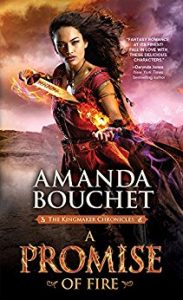
And if you like that, A Promise of Fire by Amanda Bouchet is bound to float your boat. This is swashbuckling fantasy at its best, with some romance and plenty of magic. A definite favorite!

A Brother's Price

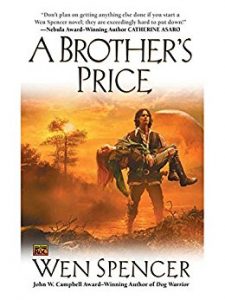
I’m going out a bit further on a limb here recommending A Brother’s Price by Wen Spencer. This fantasy novel isn’t for everyone, but I have a feeling it’ll appeal to those of you who enjoy seeing how the imbalances of power within a werewolf pack — or, in this case, within a matriarchal society — create all kinds of room for interesting character growth.

Steampunk favorites

I saved myself two slots for books in genres you might not have considered but that I simply can’t finish this post without recommending. I’ll start with steampunk, which people seem to either love or hate. I couldn’t narrow my recommendation here down to one book, though, so I’ll write three titles really fast and see if maybe you won’t notice: Etiquette & Espionage by Gail Carriger, Clockwork Angel by Cassandra Clare, and Lady of Devices by Shelley Adina. Phew! There, that really only counts as one recommendation, right?

Garden Spells

Which leaves me room for one more completely outside-the-box suggestion. How about Garden Spells by Sarah Addison Allen? This book does lean more toward literary fiction, but the subtle magic in the real world completely sucked me in. Like the plant equivalent of Chocolat. Enjoy!

Need more? I sum up my favorite recent reads a few times a year. Check out those blog posts here.

Sebastien’s favorite chocolate cookies

Chocolate Cookies

Sebastien is a bit of a dark horse through much of the Wolf Legacy series. He has interesting tics and traits that speak to a shadowed past…and he’s not very willing to share those intimate details with the general public. I tried to interview him earlier to give my loyal readers insight into into his past, but all Sebastien provided was this recipe for his favorite cookies.

The final product is melty and caky, halfway between a brownie and a cake doughnut. And, I have to admit, after I scarfed down several, I forgot to keep bugging my favorite psychology professor for more information about his past. I hope they fill in the gap for you as well!

Ingredients:

  • 1/2 cup all-purpose flour
  • 1/2 cup sugar
  • 1/4 cup cocoa
  • 1/2 teaspoon baking powder
  • 1/4 teaspoon salt
  • 2 tablespoons butter
  • 1/3 cup dark chocolate chips
  • 1 egg
  • 1 tablespoon of vanilla
  • 1/4 cup or so of powdered sugar

Preheat the oven to 375 degrees Fahrenheit.

Next, mix the flour, sugar, cocoa, baking powder, and salt together in a food processor by whirring briefly. Add the butter and chocolate chips and process a little longer until the solid ingredients have been broken up into small pieces. Add the egg and vanilla and process again until well mixed.

Now you’re ready to form your cookie balls. In the summer, you may need to put the dough in the fridge for half an hour or so first. But I’ve found that in a cool winter kitchen you can dive right into this step.

First, pour some powdered sugar out onto a plate or into a wide bowl. Break off a small amount of dough — you’ll be making twenty of these, so estimate accordingly — and roll it into a ball. Dredge the ball in powdered sugar, then roll it around between both hands until it’s a well-shaped sphere. Lay the cookie on an ungreased cookie sheet and repeat until you’ve made all twenty balls.

Place the sheet in the middle of a preheated oven and bake for about 8 minutes until the balls have poofed and cracked but are still soft in the middle. (A knife would not come out clean.) Then remove them from the oven and let cool for fifteen minutes. Enjoy!

Sebastien likes to snack on these melty balls of chocolate goodness while analyzing data in his lab. Even if you don’t have data to analyze, I’ll bet they’ll hit the spot!

« Older posts Newer posts »

© 2026 Aimee Easterling

Theme by Anders NorenUp ↑