USA Today bestselling author

Tag: celtic legend

Ideas for celebrating Samhain

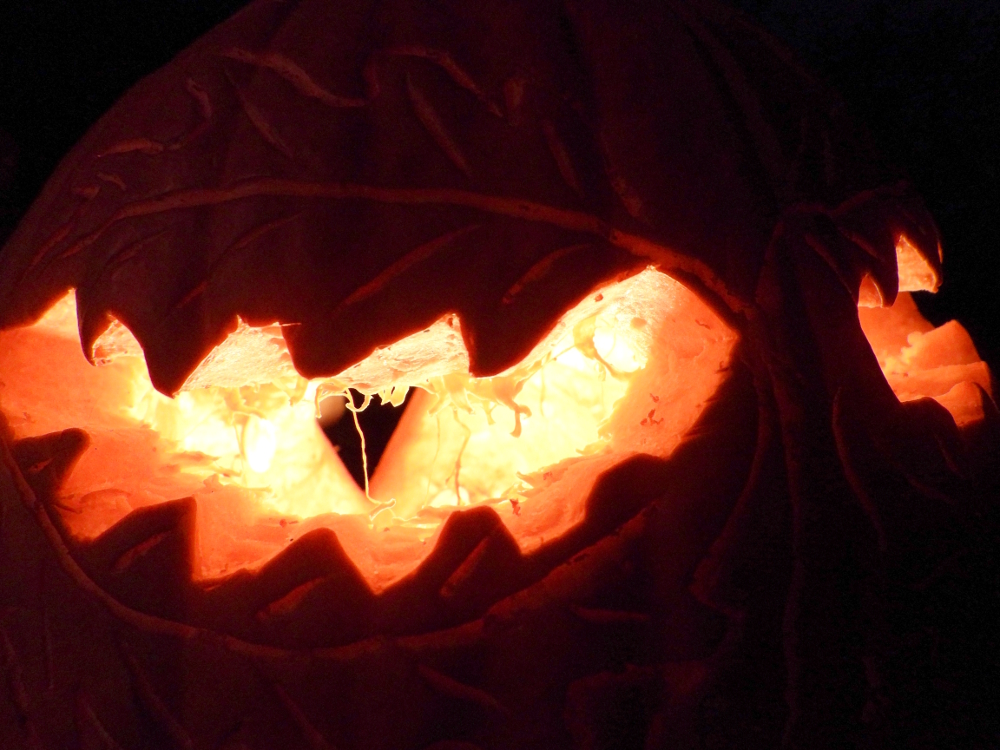
Jack o lantern

Halloween was second only to Christmas as my favorite childhood holiday. (Yes, even though my family didn’t eat sugar, so I had to give away all of the candy I collected.) Dressing up as something else and carving jack-o-lanterns scratched the same creative itch I now pour into my books.


No wonder adult me was intrigued to discover Samhain — the Gaelic festival that Halloween sprang from. The flip side of the Imbolc coin, Samhain is a cross-quarter day marking the coming of the dark instead of the light.


Celebrated on sunset October 31 through sunset November 1, the holiday was traditionally considered a time when the borders between the worlds of the living and the dead were permeable. I used this worldbuilding element in my Samhain Shifters series and enjoy thinking of the ancient roots of the kids currently ringing doorbells dressed up as monsters and ghouls. Back in the day, costumes were believed to protect the wearers from being kidnapped by fairies. Adds a bit of danger to the night!
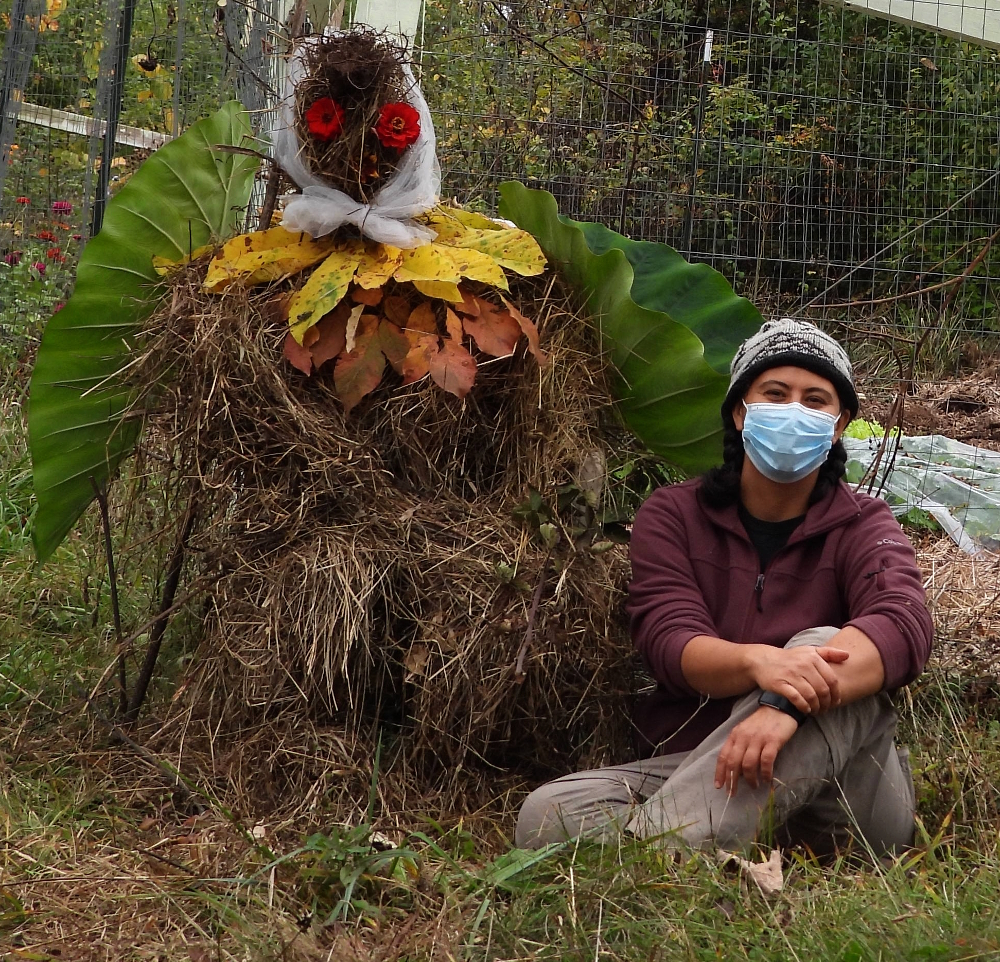
 

Samhain witch

Modern Samhain celebrations

In addition to the costumes and jack-o-lanterns, those of us who regularly sink our fingers into the dirt might focus on the harvest facet of the Samhain celebration. One website suggests celebrating this day by gathering dead and dying plants from your garden and using the debris to construct a person. The result can be a scarecrow-like figure, or perhaps a green man like the one in Susan Cooper’s The Dark is Rising series (and the legend the books are based on). I had great fun last year inviting the neighbor kids down to help me out with this task and our plant creatures protected the garden for several weeks.


Bonfires are another traditional aspect of the Samhain celebration, welcoming winter. Any size fire can be used to symbolically burn away things you want to let go of. Just write the discarded emotions/habits/whatever down and feed the paper to the flame.


Or perhaps you’d rather honor lost loved ones. One method is to build an altar with photos and mementos of the dearly departed and set them a place at the table. Other options include switching traditions and veering off into ideas spurred by the Mexican Day of the Dead tradition.


No matter how you observe Samhain, I hope you take a moment to notice the days getting shorter and the first fog of your exhale on a chilly morning. Nibbling on the first persimmon of the year is perhaps my favorite Samhain celebration, eating carefully to make sure I find no bitter with the sweet.

Celebrating Imbolc

As a gardener and nature-lover, I’ve always been drawn to the cross-quarter days. These holidays are important in my Samhain Shifter series (and in the Celtic belief system that series is roughly based on), so I thought you might enjoy hearing more about them.

Less well-known than the solstices and equinoxes, the days halfway between often feel like the true start of each season. And this week marks one of those cross-quarters — Imbolc, aka Brigid’s Day, aka St. Brigid’s Day, aka Là Fhèill Brìghde, aka Groundhog’s Day!

Astronomically, the cross quarter falls on February 3 or 4, but it’s sometimes celebrated earlier. Brigid’s Day is generally listed as beginning at sunset on January 31 or sunset February 1, while  Groundhog’s Day (more on how that crazy holiday came about next) is on February 2.

I’m not a stickler, so I celebrate whenever the whim strikes me within the relevant week.


Weather divination

Groundhog

I’ll start with the part of the holiday Americans have probably heard the most about — forecasting the severity of the rest of winter. Twenty years ago, during a visit to Australia, I tried to explain that Americans “believe” (or want to believe) that a groundhog coming out of its burrow on February 2 foretells the future. The Australians thought I was a nut.

When I learned the Celtic origin of the belief, though, it made more sense. Cailleach is a goddess known as the Queen of Winter in Scottish folklore. Like us, she tends to run low on firewood around the beginning of February (oops!), on the day the Scottish call Là Fhèill Brìghde. So she heads out into the woods to collect more.

Unlike us, though, Cailleach both knows what the weather is going to be like for the rest of the winter and can change the current day’s conditions. So, if it’s going to be a hard late winter, she’ll make Imbolc bright and sunny to allow for plenty of firewood gathering. On the other hand, if winter is pretty much over, she’ll let the day be gray while she sleeps in.

Now, doesn’t that make more sense than a divinatory rodent?


Celebrating Imbolc with Fire

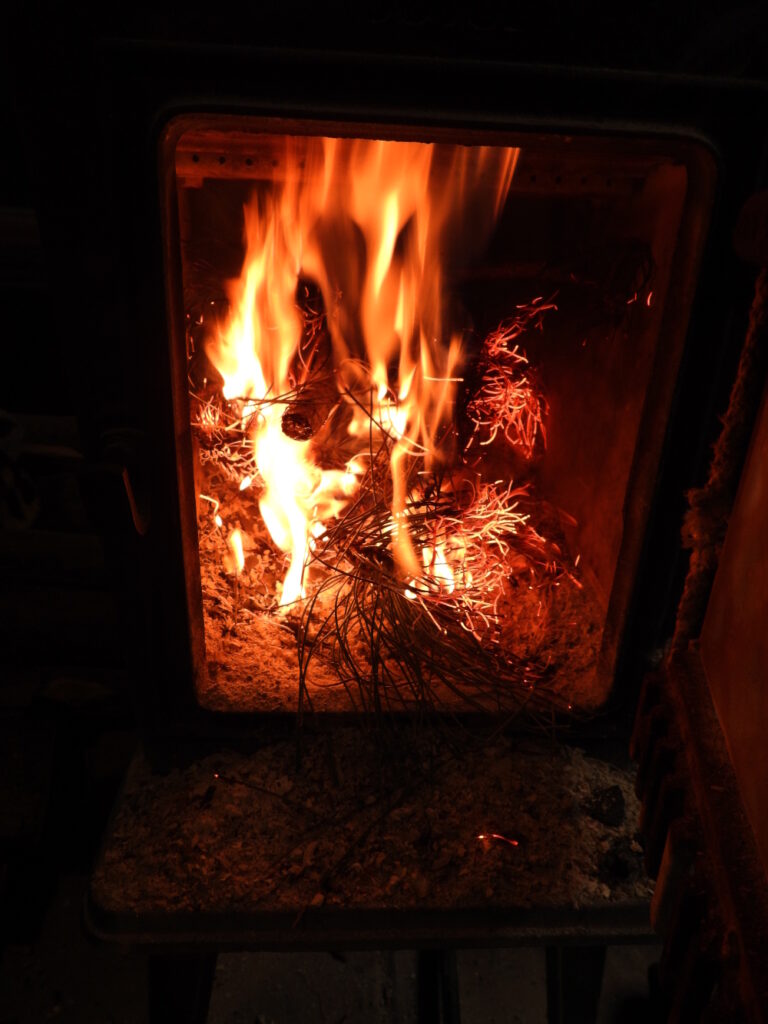
Burning the Christmas tree

The goddess Brigid is Cailleach’s counterpart, associated with homes, livestock, milk, and the coming of spring. There are lots of ways to celebrate her return, but I chose a couple that particularly spoke to me.

Fire is an obvious choice for Imbolc since it symbolizes the return of sun and the coming of spring. My husband and I took down our mini Christmas tree to celebrate the turn of the seasons and stuffed it in our woodstove as a symbolic gesture.

If you plan to follow suit, be aware that conifers burn hot. We wouldn’t have put more than our one little limb in an indoor stove. I’ve seen folks throw full-size Christmas trees on outdoor bonfires though. Or, if you want to play it safe while keeping the same symbolism, how about burning a paper snowflake instead?


Celebrating Imbolc with Water

Sacred water

Another facet of Imbolc is the beginning of a new year. Ritual spring cleaning is one way to celebrate, but that sounded more like work than play to me. Instead, I’ll visit a holy well (which I translate broadly as any body of water that feels particularly powerful) and walk sunwise (clockwise) around it to celebrate the turn of the seasons.

How are you celebrating the cross-quarter? I hope you’ll click through to facebook below and let me know!


As a gardener and nature-lover, I’ve always been drawn to the cross-quarter days. These holidays are important in my…

Posted by Aimee Easterling on Monday, February 1, 2021

© 2026 Aimee Easterling

Theme by Anders NorenUp ↑